46
National patents
Commercial flooring supplied at wholesale level must meet specific performance thresholds while fitting budget constraints for large‑scale projects. Understanding the technical attributes of each
Order this product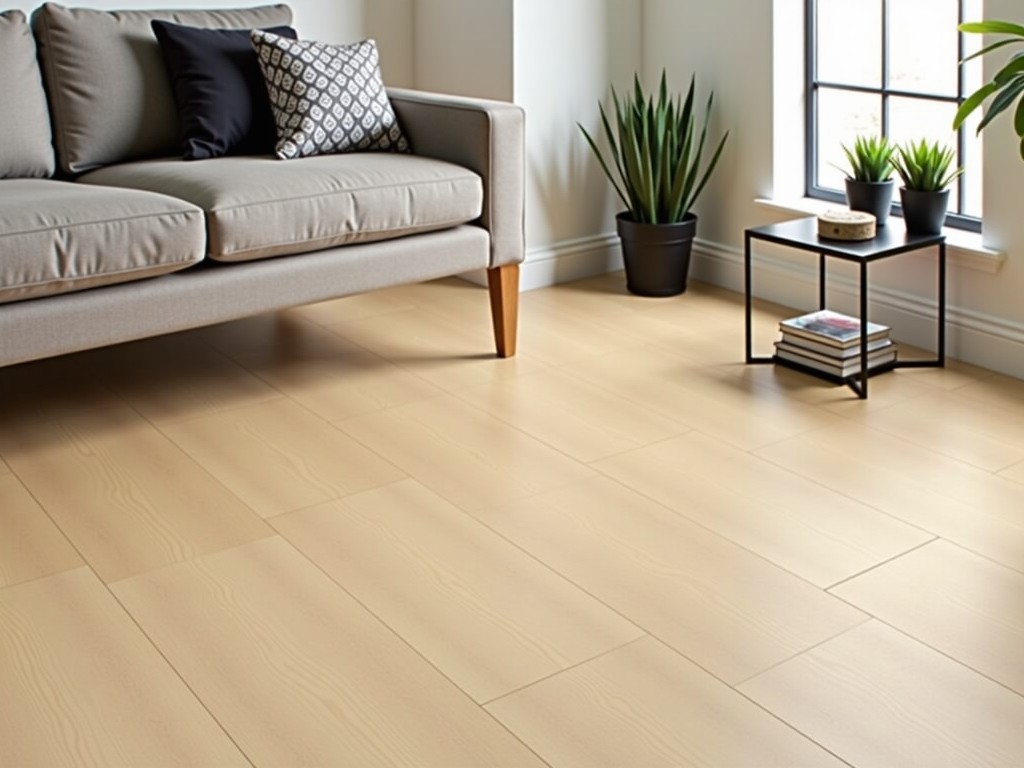
Commercial flooring supplied at wholesale level must meet specific performance thresholds while fitting budget constraints for large‑scale projects. Understanding the technical attributes of each flooring family enables procurement teams to compare options on equal footing and avoid costly rework.
Common wholesale offerings include vinyl composite tile (VCT), luxury vinyl tile (LVT), homogeneous sheet vinyl, rubber flooring, epoxy coatings, and carpet tiles. Each material differs in base polymer, filler content, and wear‑layer thickness, which directly influences mechanical strength and chemical resistance.
| Material | Compressive Strength (MPa) | Abrasion Resistance (Taber cycles) | Slip Resistance (Coefficient of Friction) | Moisture Absorption (% weight) |
|---|---|---|---|---|
| VCT | 15‑20 | 5000‑8000 | 0.5‑0.6 (dry) | 0.1‑0.2 |
| LVT | 20‑25 | 8000‑12000 | 0.5‑0.7 (dry) | 0.05‑0.1 |
| Homogeneous Sheet Vinyl | 18‑22 | 6000‑9000 | 0.5‑0.6 (dry) | 0.05‑0.1 |
| Rubber | 5‑8 | 2000‑4000 | 0.6‑0.8 (dry) | 0.2‑0.4 |
| Epoxy | 30‑40 | 10000‑15000 | 0.4‑0.5 (dry) | 0.0‑0.05 |
| Carpet Tile | 2‑4 | 1000‑2000 | 0.4‑0.5 (dry) | 5‑10 (depends on backing) |
Successful installation depends on substrate flatness (≤3 mm deviation over 2 m), moisture content (< 75 % relative humidity for concrete), and cleanliness. Adhesive selection must match material compatibility: pressure‑sensitive adhesives for LVT, epoxy primers for epoxy flooring, and latex‑based adhesives for carpet tiles. Expansion gaps of 2 mm to 5 mm per 10 m are required for vinyl products to accommodate thermal movement.
Wholesale price is expressed per square meter and varies with thickness, wear‑layer, and order volume. Typical base prices (ex‑works) range from $8/m² for standard VCT to $25/m² for 0.7 mm wear‑layer LVT. Volume discounts of 5 %‑15 % apply at order quantities exceeding 500 m². Freight costs depend on pallet weight and destination; lightweight vinyl tiles average 12 kg/m², while rubber flooring averages 20 kg/m².
Retail environments benefit from LVT’s resistance to scuffing from cart traffic and its ability to replicate high‑end visuals at lower material cost. Healthcare facilities select homogeneous sheet vinyl for seamless surfaces that withstand frequent disinfectant cleaning and provide low bacterial retention. Educational institutions often choose rubber flooring in gymnasiums for shock absorption, reducing injury risk during physical activity. Industrial workshops favor epoxy coatings for chemical spill resistance and ease of wash‑down.
Manufacturers typically perform ASTM F1700 for vinyl tile classification, ASTM D3389 for abrasion resistance, and ASTM C1028 for slip resistance. Each batch undergoes dimensional checks (±0.1 mm thickness tolerance) and visual inspection for color consistency. Test reports are available upon request, allowing buyers to verify compliance with project specifications before shipment.
Customization includes color matching to Pantone or RAL standards, embossed or printed surface patterns, edge treatments such as beveled or square edges, and alternative backing materials (e.g., fiberglass reinforcement for added dimensional stability). Size modules can be adjusted from the standard 300 mm × 300 mm tile to 600 mm × 600 mm planks, subject to tooling lead times.
National patents
Vinyl flooring line
K+ SQ.M capacity
Founded