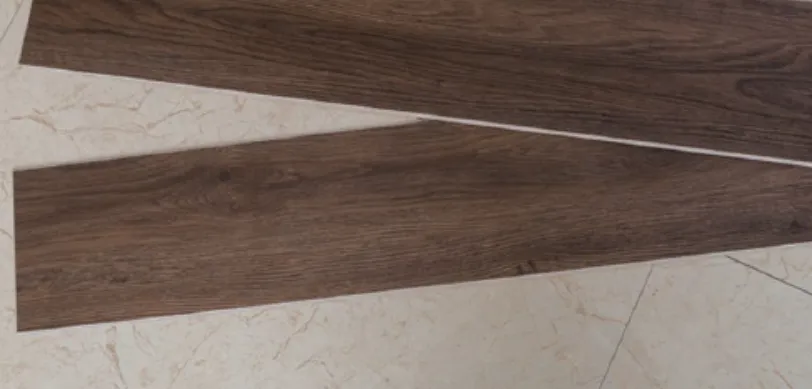
homogeneous vinyl flooring technical performance analysis
Selecting a high-traffic flooring solution often involves a critical trade-off between aesthetic versatility and long-term wear resistance. In environments where hygiene and durability are non-negotiable, the structural composition of the material determines whether a floor remains pristine or requires premature replacement.
While many luxury vinyl options provide a surface-level pattern, the shift toward materials with consistent density throughout their entire thickness has redefined expectations for commercial interiors. This technical approach ensures that surface scratches do not expose a different colored core, maintaining a uniform appearance even under extreme abrasion.
Understanding the nuances of homogeneous vinyl flooring is essential for facility managers and architects who prioritize low-maintenance lifecycles. This guide explores the technical logic and selection frameworks necessary to implement these resilient surfaces effectively.
Structural Uniformity in Vinyl Design
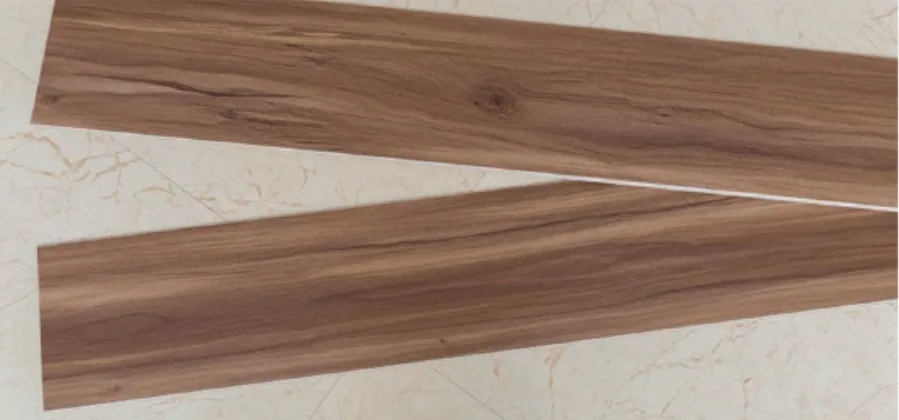
Unlike layered products, the core philosophy of homogeneous vinyl is the integration of color and pattern throughout the entire thickness of the sheet. This means the visual properties are not just a printed film on top, but are inherent to the material itself.
This design eliminates the risk of "wearing through" the decorative layer. In high-stress areas where heavy equipment or constant foot traffic is present, the uniformity ensures that the floor retains its original look even after years of surface abrasion.
Technical Performance Metrics
The performance of these floors is measured by their resistance to indentation and their ability to be refurbished. Because the material is the same throughout, a worn surface can be stripped and polished to reveal a fresh layer of the same pattern, effectively extending the product's lifespan without requiring a full replacement.
Another critical technical factor is the dimensional stability. High-quality vinyl utilizes advanced polymers that minimize expansion and contraction under varying temperature conditions. This stability is vital for preventing gaps or buckling in large-scale commercial installations.
Furthermore, the integration of antimicrobial properties and anti-slip textures is often baked into the manufacturing process. This ensures that safety and hygiene features are not just coatings that wear off, but are permanent characteristics of the flooring system.
The Hygiene-Durability Correlation
In healthcare and laboratory settings, the intersection of durability and sanitation is where material science becomes critical. Non-porous surfaces are mandatory to prevent the absorption of liquids and pathogens, which can lead to contamination and odors.
True hygiene in flooring is achieved when the material is impervious to moisture and can be heat-welded at the seams, creating a monolithic, gap-free surface that eliminates bacteria traps.
This is why professional installations utilize specialized welding rods to seal joints. By creating a seamless transition between sheets, the floor becomes a sterile barrier, allowing for aggressive cleaning protocols without risking water infiltration into the subfloor.
Performance Index Comparison
When evaluating flooring for commercial use, a qualitative assessment of different attributes helps in aligning the product with the specific needs of the facility. Factors such as wear resistance, ease of maintenance, and acoustic dampening vary significantly across different vinyl types.
The following index illustrates the relative strength of homogeneous vinyl across five key performance indicators compared to standard residential alternatives.
Figure 2. Relative Performance Index of Commercial Vinyl
Strategic Application Scenarios
In a typical industrial setting, such as a pharmaceutical cleanroom, the requirement for a 0-formaldehyde emission profile is paramount. The material must not only withstand chemical spills but also avoid off-gassing that could contaminate sensitive products.
For educational institutions, the focus shifts toward acoustic management and scuff resistance. Large hallways in universities benefit from the sound-dampening properties of advanced vinyl, which reduces echo while resisting the abrasive nature of thousands of daily footsteps.
Evolution Toward Circular Economy
The flooring industry is moving away from traditional adhesive-heavy installations toward more sustainable, circular models. The focus is now on increasing recycled content and utilizing non-toxic lacquers that reduce the overall environmental footprint of a building.
Companies like Guangzhou Enlio Sports Goods Co.,Ltd are integrating these principles by emphasizing recyclable materials as the basic raw material standard. This shift ensures that at the end of a floor's functional life, the material can be repurposed rather than contributing to landfill waste.
Additionally, the development of adhesive-free installation methods reduces the chemical load on the indoor environment and simplifies the removal process during future renovations, aligning commercial flooring with global sustainability certifications like ISO14001 and RoHS.
Selection Framework: Homogeneous vs Heterogeneous
Choosing between homogeneous and heterogeneous vinyl depends on the specific balance of aesthetics versus endurance. Heterogeneous flooring offers a wider array of complex decorative patterns because it utilizes a printed layer, making it ideal for residential or low-traffic commercial spaces.
However, for environments where the floor is subject to heavy scraping or requires frequent deep-cleaning, the homogeneous option is technically superior. The lack of a separate wear layer means there is no risk of delamination between different material strata.
The following evaluation matrix provides a relative comparison of these two categories across common selection criteria to assist in decision-making.
| Evaluation Factor | Homogeneous Vinyl | Heterogeneous Vinyl | Suitability Level |
|---|---|---|---|
| Wear Depth | Uniform throughout | Surface layer only | Homogeneous (High) |
| Design Variety | Subtle/Mottled | Highly Diverse | Heterogeneous (High) |
| Maintenance | Re-polishable | Replace on wear | Homogeneous (High) |
| Hygiene Potential | Seamless/Welded | Layered/Seamed | Homogeneous (High) |
| Initial Cost | Higher Investment | More Budget-Friendly | Heterogeneous (High) |
| Lifecycle Value | Long-term Savings | Short-term Savings | Homogeneous (High) |
Questions & Answers
A vinyl floor is considered homogeneous when the composition, color, and pattern are consistent throughout the entire thickness of the material. Unlike heterogeneous floors, which consist of multiple layers (a backing, a printed decorative film, and a transparent wear layer), a homogeneous floor is a single, uniform layer of material. This structure prevents the pattern from wearing off over time and allows the floor to be stripped and polished multiple times to restore its original appearance.
These systems are primarily designed for high-traffic commercial and institutional environments. Typical applications include hospital corridors, surgical suites, laboratory floors, and school hallways. Because they can be heat-welded to create a seamless, waterproof surface, they are particularly effective in "clean" environments where hygiene standards are strict and the prevention of bacterial growth in seams is a priority.
Standard vinyl often relies on a wax coating for protection; once the top wear layer is compromised, the floor must be replaced. Homogeneous vinyl, however, can undergo a process of mechanical stripping and polishing. By removing the top micron of the material and polishing the fresh surface beneath, the floor is essentially "renewed" without needing full installation, which significantly lowers the total cost of ownership over 10-20 years.
While technically possible, it is rarely the first choice for homes. The design palette is usually more subdued (mottled or solid colors) compared to the realistic wood or stone prints found in heterogeneous LVT or SPC. Residential users typically prioritize aesthetic variety over the extreme wear resistance and heat-welding capabilities that make homogeneous vinyl a standard in commercial sectors.
The initial cost is driven by the density of the polymer and the quality of the additives used for wear and slip resistance. Additionally, the installation cost is higher than DIY options because professional heat-welding of seams and precision cutting are required to ensure a monolithic, waterproof finish. However, these costs are offset by the extended lifespan and reduced replacement frequency.
Historically, vinyl was associated with phthalates and formaldehyde. However, modern industry standards have evolved. Many manufacturers now produce 0-formaldehyde emissions flooring and utilize recyclable materials to support a circular economy. Checking for certifications like FloorScore, RoHS, and ISO14001 is the best way to ensure the product meets contemporary environmental and health safety standards.
Final Thoughts
The transition toward high-performance, uniform flooring is more than an aesthetic choice; it is a strategic decision based on long-term facility management. By prioritizing structural uniformity, organizations can ensure a hygienic environment that resists the degradation typical of layered materials.
As the industry evolves, the integration of sustainability and technical excellence continues to redefine the boundaries of resilient flooring. Choosing a solution that balances immediate performance with a circular lifecycle is the most effective way to secure a durable, safe, and eco-friendly architectural foundation.