46
National patents
An OEM factory that specializes in residential epoxy resin flooring manufactures the raw material systems used by contractors and builders to create seamless, durable floor surfaces. The production
Order this product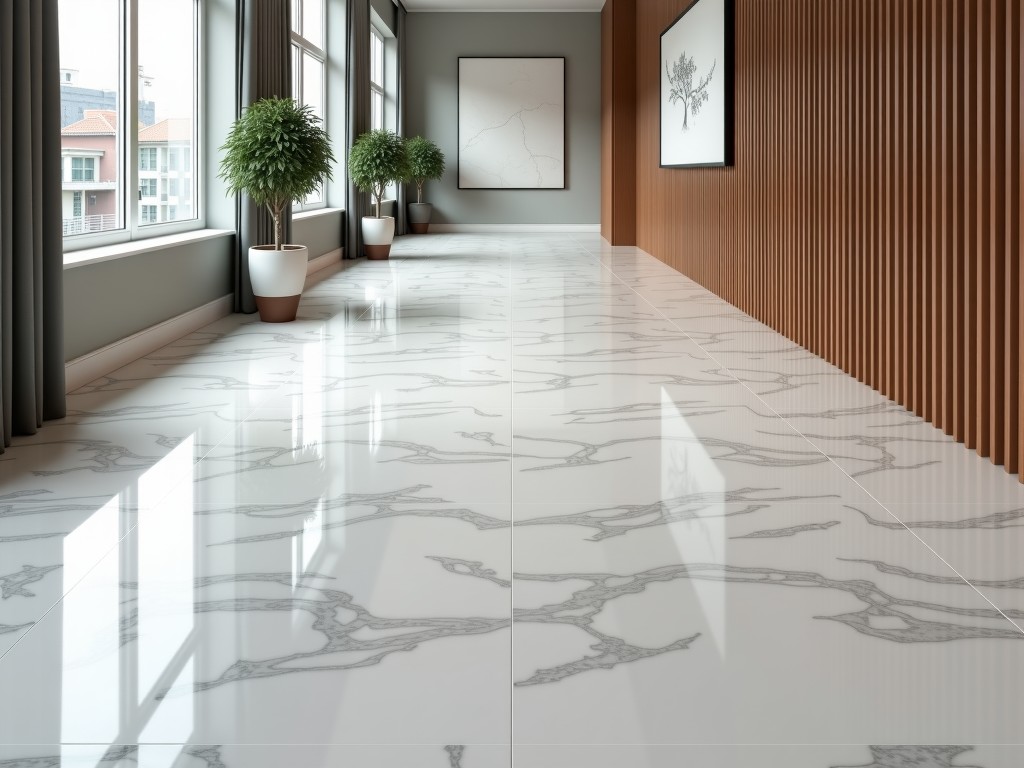
An OEM factory that specializes in residential epoxy resin flooring manufactures the raw material systems used by contractors and builders to create seamless, durable floor surfaces. The production process focuses on precise formulation of epoxy resins, hardeners, fillers, and additives to achieve consistent performance across batches. Understanding the factory’s capabilities helps buyers evaluate technical support, customization flexibility, and supply reliability.
The base epoxy resin is typically a bisphenol A‑epichlorohydrin derivative, providing a low‑viscosity liquid that reacts with amine‑based hardeners to form a cross‑linked thermoset network. Mineral fillers such as silica flour or quartz powder are added to increase compressive strength and reduce shrinkage, while pigments and decorative flakes impart color and aesthetic effects. Additives like defoamers, UV stabilizers, and flow modifiers control pot life, surface finish, and long‑term stability.
Cured epoxy flooring exhibits high mechanical strength, chemical resistance, and wear durability suitable for residential environments. Typical values include a Shore D hardness of 75‑85, compressive strength exceeding 50 MPa, and abrasion loss below 25 mg per 1000 cycles under Taber testing. The system also resists common household chemicals such as cleaning agents, oils, and mild acids, maintaining adhesion and appearance over time.
| Property | Typical Value | Test Method |
|---|---|---|
| Solid Content (% by weight) | 95‑98 | ASTM D2369 |
| Viscosity (mPa·s, 25 °C) | 200‑500 | ASTM D2196 |
| Gel Time (min) | 15‑30 | ASTM D2471 |
| Shore D Hardness | 75‑85 | ASTM D2240 |
| Compressive Strength (MPa) | >50 | ASTM C579 |
| Abrasion Resistance (mg loss) | <25 | ASTM D4060 |
| VOC (g/L) | <50 | ASTM D2369 |
Successful flooring depends on proper substrate preparation, including cleaning, repairing cracks, and ensuring a moisture barrier where required. A primer coat enhances adhesion between the concrete and the epoxy membrane. The mixed resin‑hardener is applied at a thickness of 1‑2 mm for residential garages and basements, with curing times ranging from 12 to 24 hours at 20 °C; lower temperatures extend cure, while high humidity may cause surface blush.
Incoming raw materials are screened for viscosity, water content, and purity to maintain batch consistency. During production, in‑process checks monitor pot life and gel time to detect deviations early. Finished samples undergo hardness, adhesion, and chemical resistance tests before shipment, and each lot is accompanied by a certificate of analysis that references the specific test methods used.
The OEM factory can adjust pigment loadings to match RAL or Pantone colors, incorporate decorative aluminum or polymer flakes for slip resistance, and add metallic pigments for a premium appearance. Functional additives such as anti‑static agents, UV absorbers, or antimicrobial agents are available upon request. Thickness can be tailored from 0.8 mm for light‑duty areas to 3 mm for heavy‑load garages, with corresponding changes in filler ratio.
Epoxy flooring provides a seamless, easy‑to‑clean surface that resists stains from automotive fluids, making it ideal for garage floors. In basements, its moisture‑tolerant formulation protects against occasional water ingress while offering a bright, finished look. Kitchens and utility rooms benefit from chemical resistance to cleaning agents and the ability to withstand foot traffic without wear. The flooring’s low VOC contribution also supports indoor air quality goals.
Industrial buyers seeking a reliable source for residential epoxy resin flooring systems are invited to request technical data sheets, sample kits, or a detailed quotation. The factory’s engineering team can discuss formulation adjustments, lead‑time expectations, and logistics support to ensure a smooth supply chain.
Request OEM Partnership DetailsNational patents
Vinyl flooring line
K+ SQ.M capacity
Founded