46
National patents
Heterogeneous vinyl sheet flooring consists of a wear layer, a printed design layer, and a backing layer that are fused together under heat and pressure. This construction provides a durable surface
Order this product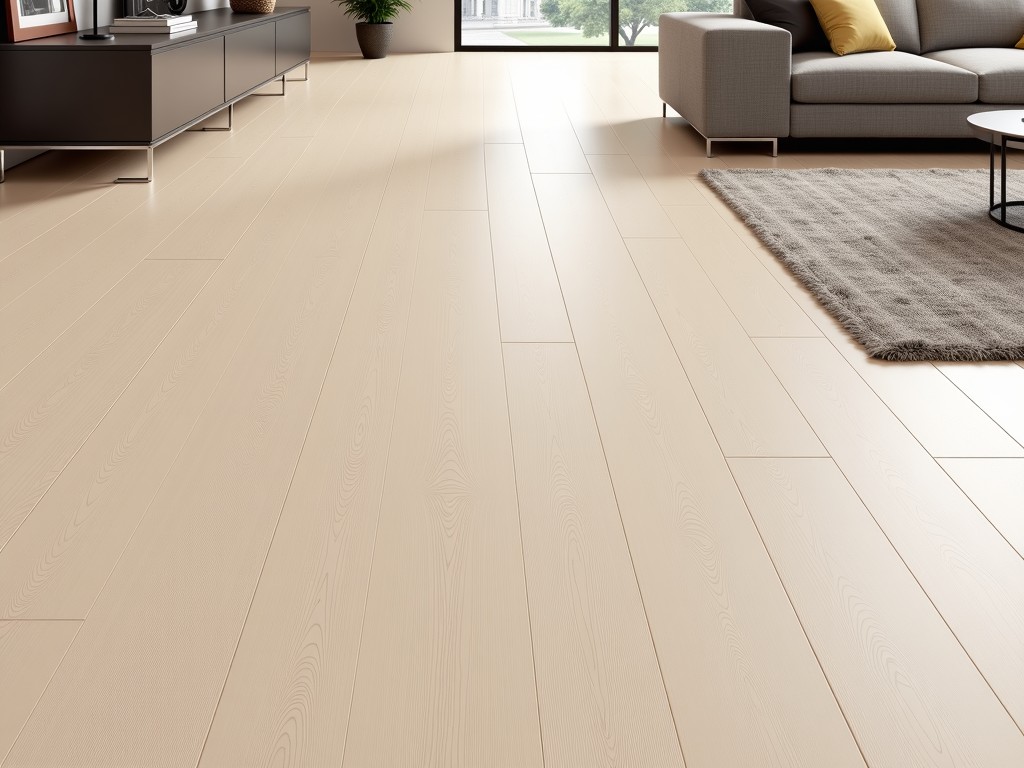
Heterogeneous vinyl sheet flooring consists of a wear layer, a printed design layer, and a backing layer that are fused together under heat and pressure. This construction provides a durable surface that can withstand heavy foot traffic while allowing a wide range of visual patterns.
The wear layer is typically made from a clear PVC formulation with a thickness ranging from 0.3 mm to 0.7 mm, which determines abrasion resistance measured in accordance with EN 649. The design layer uses high‑resolution rotogravure printing to replicate wood, stone, or abstract motifs, and is protected by the wear layer. The backing layer often includes a fiberglass reinforcement or a felt layer to improve dimensional stability and reduce curling.
Overall thickness of the sheet usually falls between 2.0 mm and 3.5 mm. Thicker products provide greater impact resistance and can accommodate slight subfloor imperfections without telegraphing.
| Property | Typical Range | Test Standard |
|---|---|---|
| Wear layer thickness | 0.3 mm – 0.7 mm | EN 429 |
| Total thickness | 2.0 mm – 3.5 mm | EN 428 |
| Abrasion resistance (weight loss) | ≤ 0.08 g/1000 cycles | EN 649 |
| Slip resistance (R value) | R9 – R11 (depending on surface texture) | DIN 51130 |
| Fire classification | Bfl‑s1 (typical) | EN 13501‑1 |
| Chemical resistance (surface) | Resistant to dilute acids, alkalis, oils | EN 423 |
In manufacturing plants, the flooring must resist oil spills, coolant splashes, and occasional impact from dropped tools. A wear layer of at least 0.5 mm combined with an R10 slip rating provides adequate protection against slip hazards while maintaining ease of cleaning.
Warehouses and distribution centers benefit from the product’s dimensional stability; the fiberglass backing prevents expansion or contraction that could create gaps under varying humidity conditions. The ability to install large sheets reduces seam count, lowering the risk of moisture ingress.
Healthcare facilities such as clinics and laboratories require surfaces that can withstand frequent disinfection with alcohol‑based agents. The non‑porous wear layer resists staining and allows for quick wipe‑down without degradation of the printed design.
Each production batch undergoes inline thickness measurement using laser gauges to ensure tolerance within ±0.1 mm. After lamination, samples are cut for abrasion testing; the batch is released only if the wear layer loss stays below the specified threshold.
Slip resistance is evaluated on a representative section of the finished sheet using a pendulum tester. Results are recorded and compared against the target R value; any deviation triggers a review of the embossing rollers or surface treatment.
Color consistency is monitored via spectrophotometry against a master standard; delta E values above 2.0 are cause for rework. This approach minimizes visible batch‑to‑batch variation in large installations.
For technical data sheets, sample requests, or to discuss project‑specific requirements, please reach out using the contact form below.
Submit InquiryNational patents
Vinyl flooring line
K+ SQ.M capacity
Founded