46
National patents
The product integrates a genuine hardwood veneer wear surface, a wood‑plastic composite (WPC) core, and a stone‑plastic composite (SPC) backing layer to achieve a balance of aesthetic appeal, impact
Order this product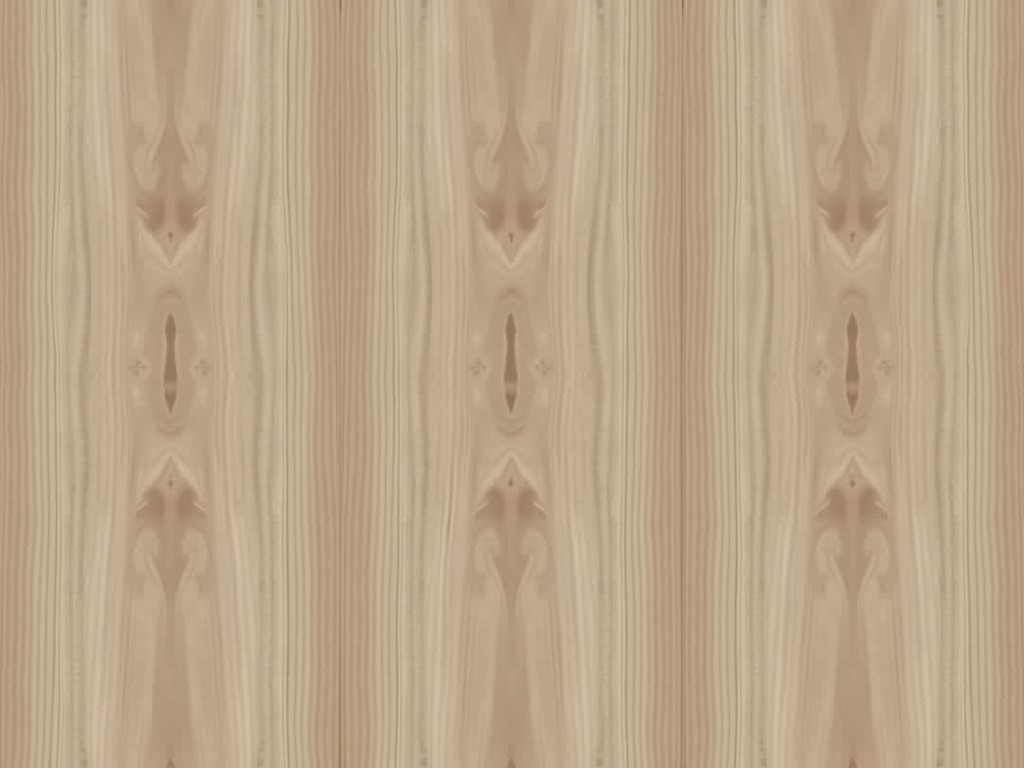
The product integrates a genuine hardwood veneer wear surface, a wood‑plastic composite (WPC) core, and a stone‑plastic composite (SPC) backing layer to achieve a balance of aesthetic appeal, impact resistance, and dimensional stability.
Each plank is manufactured under controlled temperature and pressure to ensure uniform bonding between layers, minimizing delamination risk in high‑traffic environments.
Top layer: 0.6 mm sliced wood veneer sourced from sustainable hardwood species, providing natural grain texture and visual warmth.
Middle layer: WPC core composed of 60 % wood flour, 30 % PVC resin, and 10 % additives, delivering a density of approximately 1.4 g/cm³ and moderate flexural modulus.
Bottom layer: SPC backing formed from 70 % calcium carbonate, 20 % PVC, and 10 % stabilizers, yielding a density of about 1.9 g/cm³ and high compressive strength.
Overall plank thickness options range from 4.5 mm to 6.0 mm, with wear layer thickness selectable between 0.2 mm and 0.4 mm depending on traffic classification.
| Property | Typical Value | Test Standard |
|---|---|---|
| Overall Thickness | 5.0 mm (±0.1 mm) | ISO 24346 |
| Wear Layer Thickness | 0.3 mm (±0.02 mm) | EN 429 |
| Density (WPC Core) | 1.4 g/cm³ | ASTM D792 |
| Density (SPC Backing) | 1.9 g/cm³ | ASTM D792 |
| Impact Resistance (ISO 179) | ≥15 J (no crack) | ISO 179-1 |
| Dimensional Change after 24 h immersion | ≤0.15 % | EN 13329 |
Values represent typical production lots; exact figures can be adjusted to meet project‑specific performance criteria.
Customization of wear layer thickness, core composition, and plank dimensions is available upon request.
The wood veneer surface provides a natural aesthetic that satisfies interior design specifications for offices, hotels, and retail spaces while resisting UV‑induced fading due to a factory‑applied UV stabilizer coating.
The WPC core contributes to sound attenuation, achieving an impact sound reduction (ISR) of approximately 18 dB when installed over a standard underlayment.
The SPC backing offers high resistance to moisture ingress, making the flooring suitable for areas prone to occasional spills, such as lobbies and cafeterias, without swelling or warping.
Combined, these layers deliver a product with a static coefficient of friction (SCF) above 0.5, meeting slip‑resistance requirements for public walkways.
Each application leverages the specific combination of surface aesthetics, core resilience, and backing stability to reduce long‑term lifecycle costs.
Planks feature a click‑lock system engineered for floating installation over approved subfloors, eliminating the need for adhesives in most commercial interiors.
Recommended subfloor flatness tolerance is ±3 mm over a 2 m radius to ensure proper locking and avoid stress concentration.
Acoustic underlayment with a thickness of 2 mm and a density of 120 kg/m³ is advised to achieve the stated impact sound reduction values.
Expansion gaps of 8‑10 mm should be maintained around perimeter walls and fixed objects to accommodate thermal movement.
Every production batch undergoes inline thickness monitoring using laser gauges, with a tolerance of ±0.1 mm recorded for each plank.
Surface wear layer adhesion is evaluated via cross‑hatch tape testing per ASTM D3359, targeting a rating of 5B (no delamination).
Density of the WPC and SPC layers is verified through random sampling and gravimetric analysis to ensure consistency within ±0.05 g/cm³.
Finished planks are scanned for color variation using spectrophotometry, with ΔE values kept below 1.5 to guarantee visual uniformity across pallets.
Wood veneer species can be selected from oak, maple, walnut, or teak, each offering distinct grain patterns and hardness ratings.
WPC core formulation can be adjusted to increase flexural modulus for higher load‑bearing areas, or to incorporate recycled PVC content for sustainability targets.
SPC backing thickness can be varied to enhance impact resistance or to reduce overall weight for specific logistics constraints.
Edge profiles include square, beveled, or micro‑beveled options to match design detailing requirements.
Planks are stacked in cartons of 2.1 m², with each carton weighing approximately 18 kg, facilitating easy handling on‑site.
Cartons are placed on pallets secured with stretch film and corner protectors, providing resistance to moisture and impact during transit.
Each pallet bears a label indicating product code, batch number, and QC inspection signature for traceability.
Lead time for standard specifications is typically 3‑4 weeks; customized orders may extend to 6‑8 weeks depending on tooling requirements.
For detailed technical datasheets, sample requests, or to discuss project‑specific requirements, please reach out to our technical sales team.
Request a QuoteNational patents
Vinyl flooring line
K+ SQ.M capacity
Founded