46
National patents
Mannington vinyl wood plank flooring consists of a multi‑layer construction: a protective wear layer, a printed design layer, a core layer of PVC‑based composite, and a backing layer for dimensional
Order this product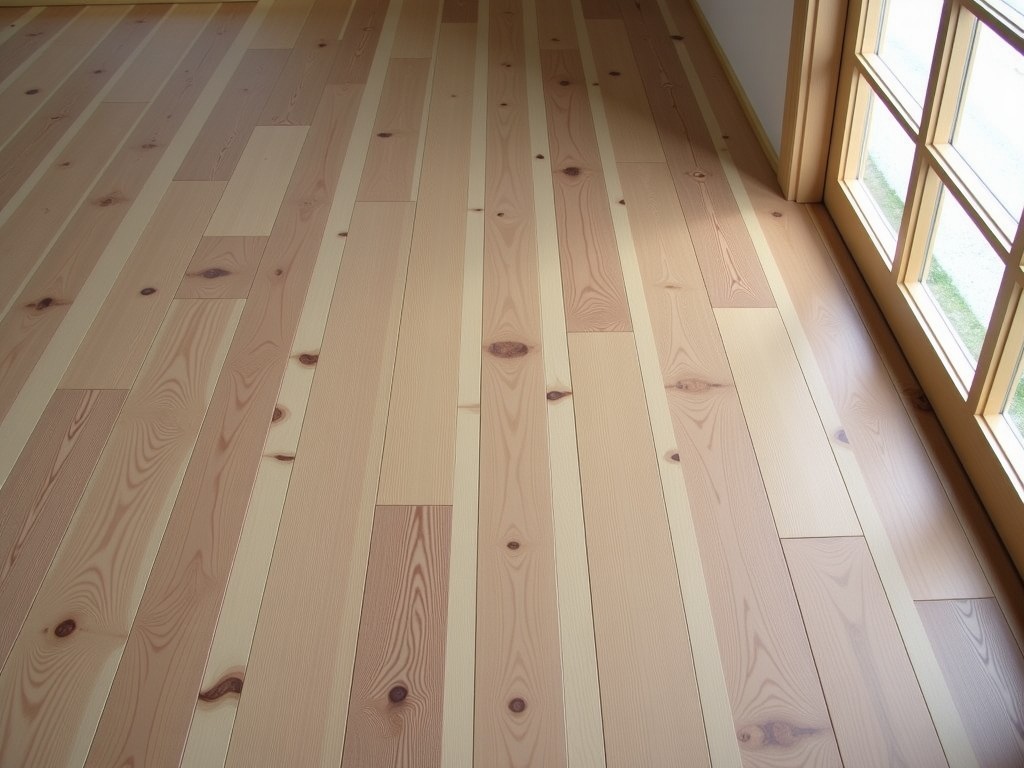
Mannington vinyl wood plank flooring consists of a multi‑layer construction: a protective wear layer, a printed design layer, a core layer of PVC‑based composite, and a backing layer for dimensional stability. The product is engineered to mimic the appearance of natural wood while providing resistance to moisture, wear, and impact typical in industrial and commercial environments. Typical plank dimensions range from 1220 mm length to 1830 mm length, with widths between 150 mm and 250 mm, and overall thickness from 4.5 mm to 6.0 mm.
| Property | Typical Value | Notes |
|---|---|---|
| Overall thickness | 4.5 mm – 6.0 mm | Depends on product series |
| Wear layer thickness | 0.2 mm – 0.5 mm | Determines abrasion resistance |
| Plank length | 1220 mm – 1830 mm | Custom lengths available upon request |
| Plank width | 150 mm – 250 mm | Standard widths; narrow or wide options |
| Edge profile | Square, beveled, or micro‑beveled | Affects joint appearance and installation |
| Slip resistance (R value) | R9 – R11 | Measured per EN 13893 |
| VOC emissions | < 0.5 mg/m³ | Complies with indoor air quality standards |
| Fire rating | Bfl‑s1 (EN 13501‑1) | Limited combustibility |
In warehouses and distribution centers, the flooring must endure frequent pallet jack traffic, occasional spill exposure, and temperature fluctuations. The wear layer thickness of 0.3 mm to 0.5 mm provides a measurable abrasion resistance that reduces surface wear over a 5‑year period under standard industrial load conditions. The PVC core offers dimensional stability, preventing expansion or contraction when relative humidity varies between 30 % and 70 %.
Retail showrooms and automotive service bays benefit from the product's slip resistance rating of R9 to R11, which meets safety guidelines for wet‑area walking surfaces. The printed design layer can replicate high‑definition wood grain, allowing aesthetic continuity with adjacent office spaces while maintaining the performance characteristics required for heavy‑foot‑traffic zones.
The process begins with PVC resin compounding, where plasticizers, stabilizers, and fillers are blended to achieve a specific melt flow index suitable for extrusion. The compound is then extruded into a continuous sheet that forms the core layer; thickness is controlled via die gap and haul‑off speed, maintaining tolerances of ±0.1 mm.
Next, a high‑resolution photographic film is laminated onto the core using a heated roll press, transferring the wood‑grain pattern. An embossing cylinder follows, imparting a texture that matches the printed design; emboss depth typically ranges from 0.1 mm to 0.3 mm, enhancing slip resistance and visual realism.
Finally, a clear urethane wear layer is applied via roll coating, cured under UV or thermal methods to achieve a cross‑linked surface hardness of approximately 2H on the pencil hardness scale. The finished sheet is cut to plank dimensions, inspected, and stacked for packaging.
Incoming raw material is tested for melt flow index, specific gravity, and volatile content; only lots within ±2 % of the target specification proceed to extrusion. During extrusion, online laser gauges monitor thickness at 100 mm intervals, triggering automatic adjustments if deviation exceeds ±0.05 mm.
After lamination and embossing, each plank passes through a vision system that checks pattern registration, color consistency (ΔE < 2), and surface defects such as bubbles or scratches. A statistical sample of 1 % of each batch undergoes abrasion testing per ASTM D4060, measuring weight loss after 1000 cycles; acceptance criteria are ≤0.02 g loss.
Final inspection includes dimensional verification (length, width, thickness), edge straightness, and slip resistance testing. Packaging is only sealed when all parameters fall within the defined control limits, ensuring that shipped goods meet the advertised performance.
Planks are stacked in corrugated cardboard cartons with internal polyethylene liners to prevent moisture ingress. Each carton typically holds 20 planks, resulting in a net weight of approximately 18 kg (depending on thickness). Cartons are placed on pallets measuring 1100 mm × 1100 mm, secured with stretch film and corner protectors.
For full container loads, a 20‑foot container can accommodate up to 14 pallets (≈252 cartons), while a 40‑foot container holds up to 28 pallets (≈504 cartons). Loading configurations are optimized to minimize shifting during transit, and all shipments include a desiccant pack to maintain relative humidity below 60 % inside the container.
Minimum order quantity (MOQ) starts at 500 sq m for standard stocked patterns; custom patterns or colors may require an MOQ of 1000 sq m. Samples are provided free of charge, with freight collected by the requester, and typically ship within 3‑5 business days after artwork approval.
Production lead time for standard items is 10‑15 working days after receipt of purchase order and deposit. Custom orders add 5‑10 days for tooling and pattern setup. Expedited schedules are available upon request, subject to plant capacity.
| Question | Answer |
|---|---|
| Can the plank dimensions be customized? | Yes, width, length, and wear layer thickness can be adjusted according to project requirements; tooling fees may apply for non‑standard sizes. |
| What information is needed to obtain a quotation? | Required details include total area, desired plank size, wear layer thickness, surface finish, and any custom artwork or color specifications. |
| How is product quality verified before shipment? | Each batch undergoes dimensional inspection, abrasion testing, and slip resistance verification; test reports are available upon request. |
| What packaging methods protect the flooring during export? | Cartons are lined with moisture‑resistant film, stacked on pallets with stretch wrap, corner boards, and desiccant packs to maintain stable humidity. |
To receive a detailed price quotation, lead time confirmation, or sample request, please provide your project specifications via the contact form. Our technical team will review the requirements and respond within one business day.
Request a QuoteNational patents
Vinyl flooring line
K+ SQ.M capacity
Founded