46
National patents
This section outlines the construction of vinyl sheet flooring designed for kitchen use, emphasizing material composition and dimensional attributes that influence performance. The product consists
Order this product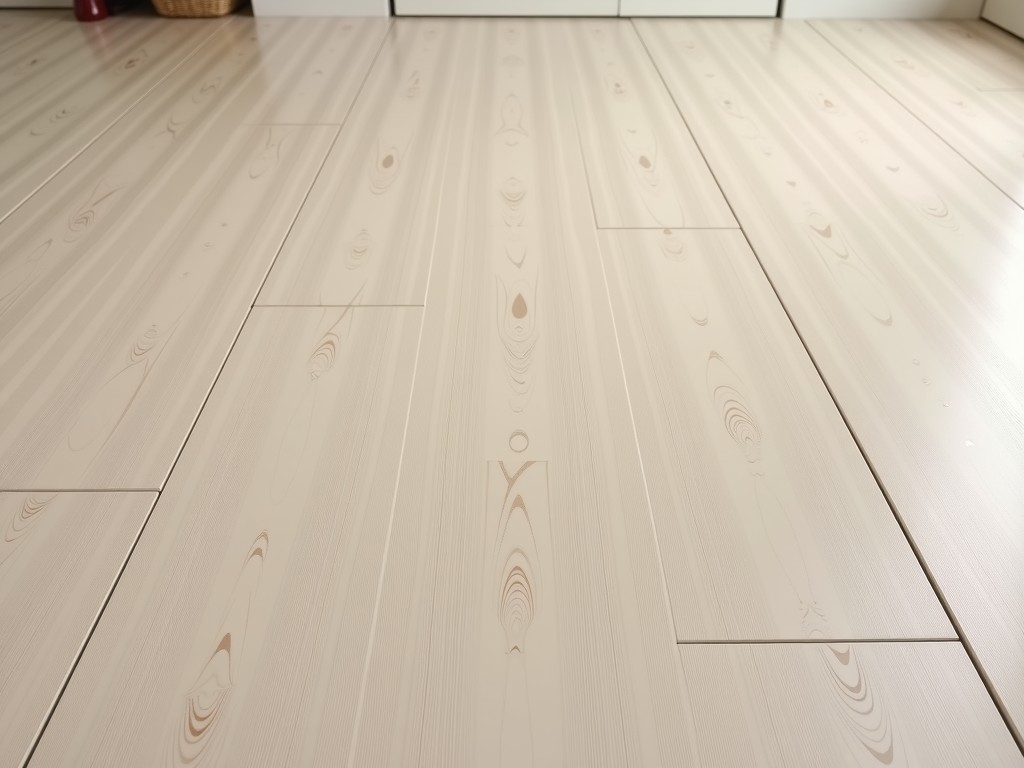
This section outlines the construction of vinyl sheet flooring designed for kitchen use, emphasizing material composition and dimensional attributes that influence performance.
The product consists of a wear layer, a printed design layer, a resilient foam or felt backing, and a base PVC sheet. Each layer is bonded through a calendaring process to ensure uniform thickness and adhesion.
The PVC resin is combined with plasticizers, stabilizers, and mineral fillers to achieve flexibility, impact resistance, and dimensional stability. Typical total weight ranges from 1.8 to 2.4 kg/m² depending on thickness and backing choice.
The following table lists typical values for key parameters; actual values can be adjusted according to project requirements.
| Property | Typical Value | Unit | Notes |
|---|---|---|---|
| Total thickness | 1.5–3.0 | mm | Includes backing and wear layer |
| Wear layer thickness | 0.2–0.7 | mm | Determines abrasion resistance |
| Roll width | 1.5–2.0 | m | Custom widths available |
| Roll length | 15–30 | lm | Dependent on thickness and weight |
| Tensile strength (MD) | 15–25 | MPa | Machine direction |
| Elongation at break | 150–300 | % | Typical range |
| Coefficient of friction (wet) | 0.45–0.60 | — | Pendulum test, higher values indicate better slip resistance |
| VOC emissions | <0.5 | mg/m³·h | Meets low‑VOC indoor air quality standards |
Slip resistance is critical in kitchens where water and oils are present; the wear layer surface can be engineered to achieve a wet coefficient of friction above 0.5, reducing slip hazard.
Chemical resistance to common kitchen agents such as vegetable oils, acidic sauces, and alkaline cleaners is demonstrated by ISO 26987 testing, showing no noticeable swelling or discoloration after 24 h exposure.
Dimensional stability under temperature fluctuations (–10 °C to +60 °C) remains within ±0.2 % when measured after 6 h conditioning, ensuring the flooring stays flat and seams stay tight.
Abrasion resistance, quantified by Taber abrasion cycles, typically exceeds 2000 cycles for a 0.5 mm wear layer, supporting long‑term surface integrity in high‑traffic zones.
The non‑porous surface inhibits microbial growth and allows routine cleaning with mild detergents, while sealed seams prevent liquid ingress beneath the sheet.
Kitchen flooring must resist water, endure frequent cleaning, and provide comfort underfoot; vinyl sheet satisfies these requirements through its impervious surface and optional cushioned backing.
Commercial kitchens, restaurants, institutional cafeterias, and high‑traffic residential kitchens benefit from the roll format, which minimizes seams and simplifies sanitation protocols.
The product can be installed over concrete, plywood, or existing resilient substrates using pressure‑sensitive adhesives or loose‑lay methods, depending on the backing type.
Acoustic backing options (foam or cork) reduce impact noise, contributing to a quieter work environment in busy food‑service areas.
Custom colors and patterns allow the flooring to match corporate branding or interior design schemes while retaining the same performance baseline.
In‑line monitoring controls thickness variation to within ±0.05 mm across the roll width, using laser gauges calibrated before each shift.
Wear layer adhesion is measured by peel strength testing (ASTM D903) with a minimum requirement of 1.2 N/mm to prevent delamination under stress.
Each batch undergoes chemical resistance testing per ISO 26987, dimensional stability testing after heat ageing, and VOC emission analysis to confirm compliance with indoor air quality standards.
Slip resistance is verified using a pendulum tester (BS 7976‑2) on both dry and wet surfaces; results are recorded and traceable to the specific production lot.
Finished rolls are inspected for visual defects such as bubbles, streaks, or misregistration before packaging, ensuring only first‑grade material leaves the facility.
Width, length, total thickness, and wear layer thickness can be tailored to match project specifications, with minimum order quantities dependent on the selected dimensions.
Color matching accepts Pantone, RAL, or custom sample inputs; the printing process uses high‑resolution cylinders to reproduce intricate designs, including realistic wood, stone, or abstract patterns.
Emboss depth and pattern can be adjusted to achieve specific slip resistance ratings or aesthetic textures, ranging from light grain to deep tile simulation.
Backing choices include standard felt, closed‑cell foam for thermal insulation, or natural cork for acoustic dampening, each affecting the overall weight and flexibility of the sheet.
Additional options such as antimicrobial additives or UV stabilizers are available upon request for specialized environments.
Rolls are wound on sturdy cardboard or plastic cores, then wrapped in low‑density polyethylene film to protect against moisture and dust during transit.
Each pallet carries a defined number of rolls based on width and length; corner protectors and stretch film secure the load, and pallets are sized to fit standard 20‑ft and 40‑ft containers.
Labeling on each roll includes batch number, dimensions, weight, and handling symbols; pallet labels provide total weight and destination details for customs clearance.
Maximum pallet weight is kept below 1000 kg to comply with most regional trucking regulations, allowing efficient consolidation of shipments.
Upon receipt, rolls should be stored flat or upright in a climate‑controlled area, away from direct sunlight and extreme temperatures, to prevent deformation before installation.
Lead time for standard stock items (non‑custom width, thickness, and color) is typically 2–3 weeks from order confirmation to shipment readiness.
Custom runs requiring unique color matching, special emboss, or non‑standard dimensions add approximately 1–2 weeks for tooling and material preparation, depending on complexity.
To initiate a quotation, provide the following details: total area to be covered, desired roll width, total thickness, wear layer thickness, backing type, color reference (Pantone/RAL or sample), and any required certifications (e.g., slip resistance class, VOC limits).
The technical team reviews the specifications, confirms feasibility, and returns a formal quote that includes unit price, tooling fees if applicable, estimated delivery date, and payment terms.
Once the purchase order is received, production scheduling begins, and the client receives periodic progress updates until the goods are ready for dispatch.
For technical questions, quotation requests, or sample arrangements, please reach out to our sales engineering team.
Submit an inquiry or email [email protected] for a prompt response.
National patents
Vinyl flooring line
K+ SQ.M capacity
Founded