46
National patents
Thermoplastic welding rods for sheet vinyl are formulated to match the melt flow and chemical resistance of the base material, enabling seamless joints that retain flexibility and durability under
Order this product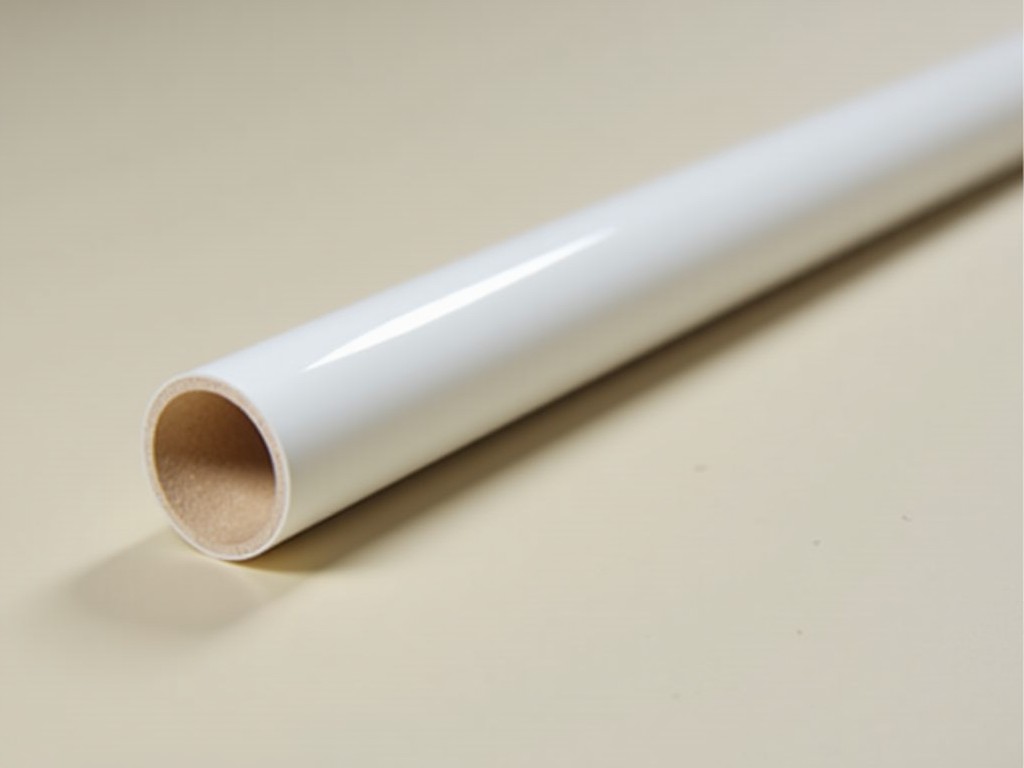
Thermoplastic welding rods for sheet vinyl are formulated to match the melt flow and chemical resistance of the base material, enabling seamless joints that retain flexibility and durability under mechanical stress.
The rods consist primarily of polyvinyl chloride (PVC) plasticizers and stabilizers selected to provide a melt temperature range of 160 °C – 180 °C, which aligns with typical sheet vinyl processing windows.
Additives include UV absorbers and impact modifiers that improve outdoor weather resistance and reduce brittleness after repeated flexing cycles.
These rods are designed for hot‑air wedge welding, extrusion welding, and handheld hot‑gas welding equipment commonly used in roofing, flooring, and membrane installation.
Optimal welding speed varies between 0.5 m/min and 2.0 m/min depending on material thickness and ambient temperature; maintaining a consistent bead width of 2 mm – 4 mm ensures proper fusion without overheating.
| Parameter | Typical Value | Notes |
|---|---|---|
| Diameter | 3.0 mm ± 0.1 mm | Custom diameters available on request |
| Melt Flow Index (MFI) | 8 g/10 min (190 °C/2.16 kg) | Measured per ASTM D1238 |
| Specific Gravity | 1.32 ± 0.02 | At 23 °C |
| Tensile Strength (at break) | 20 MPa ± 2 MPa | ASTM D638 Type IV |
| Elongation at Break | 150 % ± 20 % | Provides flexibility in welded seam |
Rod length can be supplied in standard 1 m coils or cut to specific lengths (e.g., 5 m, 10 m) to reduce waste on‑site.
Color matching is possible using PVC pigments; typical colors include white, gray, and black, but custom hues can be formulated based on RAL or Pantone references.
Additive packages can be adjusted for increased flame retardancy (UL‑94 V‑0) or enhanced low‑temperature flexibility down to –30 °C.
Each batch undergoes melt flow testing, density verification, and visual inspection for surface defects such as pits or discoloration.
Dimensional tolerance is monitored using laser micrometers; rods exceeding ±0.15 mm diameter deviation are segregated.
Documentation includes a material test report (MTR) referencing the specific resin lot and additive formulation.
Rods are wound onto recyclable polypropylene cores and placed in polyethylene shrink‑wrap to protect against moisture and UV exposure during transit.
Palletized shipments include corner boards and strapping; standard pallet size is 1.2 m × 1.0 m with a maximum load of 800 kg.
For export, desiccant packets are added to each carton to maintain humidity below 50 % RH.
For technical data sheets, sample requests, or to discuss project‑specific requirements, please contact our engineering team.
National patents
Vinyl flooring line
K+ SQ.M capacity
Founded