46
National patents
Linoleum faux wood roll flooring merges the resilience of natural linoleum with a realistic wood‑grain surface. Supplying directly from the factory eliminates intermediate handling, which helps
Order this product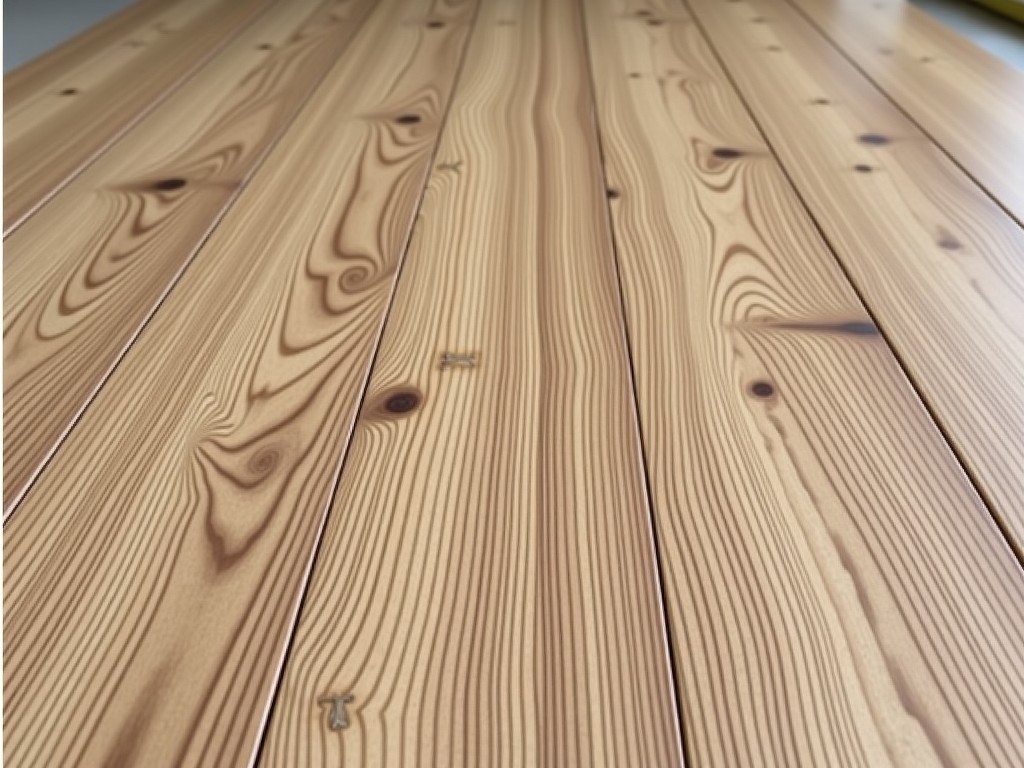
Linoleum faux wood roll flooring merges the resilience of natural linoleum with a realistic wood‑grain surface. Supplying directly from the factory eliminates intermediate handling, which helps maintain uniform thickness and finish across large rolls.
The flooring consists of a linoleum core oxidized for durability, overlaid with a printed faux‑wood layer protected by a clear wear coating. Rolls are typically 2 m wide and supplied in lengths ranging from 10 m to 30 m, allowing seamless installation in expansive spaces.
Because the material is produced in a continuous process, batch‑to‑batch variation in color and emboss depth is minimized, which is critical for projects requiring visual consistency over thousands of square meters.
| Property | Typical Value | Notes |
|---|---|---|
| Overall thickness | 2.5 mm – 3.2 mm | Customizable per project requirement |
| Wear layer thickness | 0.2 mm | Meets EN 649 class 34/43 |
| Width | 2.0 m | Standard; other widths available on request |
| Length per roll | 10 m – 30 m | Dependent on logistics handling |
| Static load limit | 250 kPa | Suitable for light industrial traffic |
| Fire rating | Bfl‑s1 (EN 13501‑1) | Achievable with additive package |
The oxidized linoleum core provides inherent resistance to microbial growth, reducing maintenance burdens in environments such as food processing or healthcare facilities. The wear coating delivers a Taber abrasion index typically below 150 mg loss after 1000 cycles, indicating suitability for moderate foot traffic.
Dimensional stability is maintained within ±0.1 % across temperature fluctuations from 10 °C to 30 °C, which helps prevent joint opening in large‑area installations. Acoustic testing shows a reduction of impact sound transmission by approximately 18 dB when paired with the optional felt backing.
In manufacturing plants, the flooring’s resistance to oil and chemical spills makes it a practical choice for assembly lines where occasional drips occur. Its static dissipative properties (when treated) protect sensitive electronic components from electrostatic discharge.
Educational institutions benefit from the low‑VOC emission profile and the seamless appearance that supports wayfinding design. The wood‑grain aesthetic provides a warm atmosphere without the maintenance demands of real timber.
Retail showrooms use the product to create durable, visually appealing pathways that withstand rolling carts and frequent cleaning cycles, while the quick‑install roll format reduces downtime during store remodels.
Rolls should be acclimated to the installation environment for at least 24 hours at 18 °C‑22 °C to minimize post‑lay movement. Subfloors must be clean, dry, and level to within 3 mm over a 2 m radius; any deviations require patching with a suitable underlayment compound.
Adhesive selection depends on substrate: a pressure‑sensitive acrylic adhesive works well on concrete, while a water‑based dispersive adhesive is preferred for wood‑based substrates. Seams are typically overlapped by 50 mm and sealed with a compatible seam sealer to prevent moisture ingress.
After installation, a rolling load of 50 kg should be applied across the surface to ensure full contact, followed by a 24‑hour cure period before allowing light traffic.
Each production lot undergoes thickness measurement at five points across the width, with acceptance criteria of ±0.1 mm from the target. Color consistency is evaluated using a spectrophotometer, requiring ΔE<2.0 relative to the approved master batch.
Wear coating hardness is tested via a pencil hardness assay, targeting a minimum of H. Additionally, a batch of samples is subjected to accelerated UV exposure (150 h) to verify that color shift remains within ΔE<3.0.
Documentation includes a material safety data sheet (MSDS), a technical data sheet, and a traceability label linking each roll to its production date and machine identifier.
Rolls are wrapped in a protective polyethylene film, then placed on a sturdy cardboard core with end caps to prevent edge damage. Palletized loads typically accommodate 12‑16 rolls, secured with stretch film and corner braces for safe transport.
Shipping documents include a packing list, bill of lading, and a certificate of conformity. For international shipments, fumigation‑treated pallets comply with ISPM‑15 standards, and customs documentation reflects the HS code for resilient floor coverings.
For technical data sheets, sample requests, or project‑specific quotations, please contact our engineering team. Providing your application details helps us recommend the optimal configuration and ensure timely delivery.
Submit InquiryNational patents
Vinyl flooring line
K+ SQ.M capacity
Founded