46
National patents
OEM heavy traffic linoleum floor covering is a resilient sheet product manufactured for continuous pedestrian and equipment loads, composed of oxidized linseed oil, wood flour, cork dust, limestone
Order this product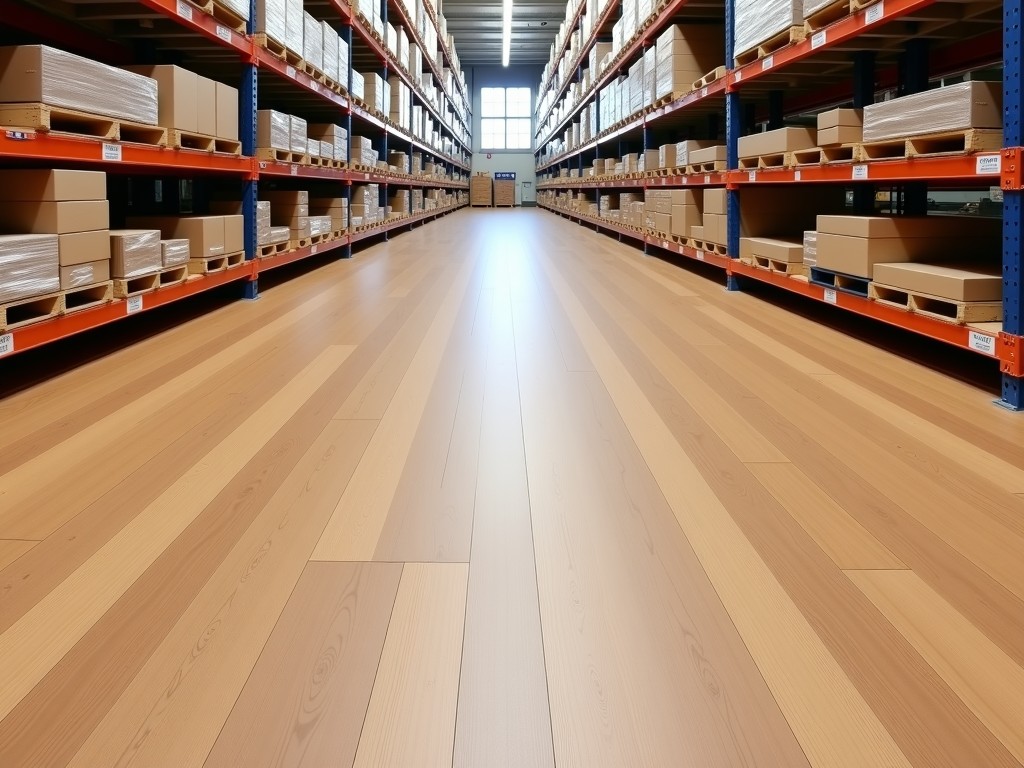
OEM heavy traffic linoleum floor covering is a resilient sheet product manufactured for continuous pedestrian and equipment loads, composed of oxidized linseed oil, wood flour, cork dust, limestone powder, and pigments calendared onto a jute or synthetic backing.
In facilities such as distribution centers, manufacturing plants, and healthcare corridors, the material must resist indentation, staining, and microbial growth while maintaining dimensional stability under temperature fluctuations. The wear layer is formulated to achieve a specific abrasion resistance measured by Taber tester, typically less than 0.5 mg loss per 1000 cycles. These engineering targets allow the flooring to sustain a design life of 10‑15 years under specified traffic classes.
The core thickness influences load distribution and acoustic performance; common nominal thicknesses range from 2.0 mm to 3.5 mm. A higher density core, usually between 1.1 g/cm³ and 1.3 g/cm³, improves impact resistance and reduces sound transmission. The backing, typically a woven jute or synthetic fiber, provides dimensional stability and facilitates adhesion to subfloors using pressure‑sensitive adhesives. Edge profiles can be supplied square or with a beveled joint to accommodate expansion gaps. All components are selected to meet low VOC emission limits, often below 0.5 mg/m³ as per ISO 16000‑9.
Production starts with mixing linseed oil, wood flour, cork, and limestone powder, which undergoes oxidation to form linoleum cement.
This mixture is then calendared onto a jute backing under controlled temperature and pressure to achieve uniform thickness. Pigments are dispersed to provide color stability; inorganic pigments such as titanium dioxide and iron oxides are preferred for UV resistance.
The wear layer may incorporate a polyurethane overlay to enhance abrasion resistance, with thickness typically 0.2 mm to 0.4 mm. The final product is cured in a curing chamber for 24‑48 hours to complete cross‑linking.
Key performance indicators include indentation resistance, measured by the residual depth after a 500 N static load, usually ≤0.1 mm. Slip resistance is expressed as a dynamic coefficient of friction (DCOF) ≥0.42 for wet conditions, meeting ANSI A137.1 standards.
Dimensional change due to temperature is limited to ±0.1 % per 10 °C, ensuring tight joints over large areas. Chemical resistance is evaluated against common industrial agents; the flooring shows no visible degradation after 24 h exposure to 10 % sodium hydroxide or 5 % hydrochloric acid. Antimicrobial additives can be integrated to inhibit bacterial growth, achieving a 99 % reduction in Staphylococcus aureus after 24 h.
Automotive assembly plants rely on the flooring to support heavy pallet jacks and intermittent forklift traffic while resisting oil and coolant spills.
In pharmaceutical cleanrooms, the seamless surface and low particle shedding aid compliance with ISO 14644‑1 Class 7. Educational institutions benefit from the material’s low maintenance and acoustic dampening in corridors and multipurpose halls.
Retail environments benefit from the product’s suitability for cart traffic and occasional point‑load displays that create localized stress. Its ability to be re‑coated on‑site extends service life beyond the initial warranty period.
Thickness can be adjusted between 1.5 mm and 4.0 mm to match specific load requirements. Color matching is available via Pantone or RAL systems, with batch‑to‑batch ΔE < 2.
Surface finishes range from matte to low‑gloss, affecting both appearance and slip resistance. Edge treatments include square, beveled, or integrated cove bases for seamless transitions to walls. Custom embossing or logos can be pressed into the wear layer during calendaring for branding purposes.
Each roll undergoes inline thickness monitoring with laser gauges, maintaining tolerance ±0.05 mm. Wear layer hardness is verified using a Shore D tester, targeting values between 70 and 80.
Finished goods are sampled for abrasion resistance per ISO 5470‑1, with acceptance criteria of ≤0.6 mg loss per 1000 cycles. Chemical resistance batches are spot‑tested against a standard reagent panel; any deviation triggers a full lot review. Documentation includes a material safety data sheet (MSDS) and a declaration of conformity to REACH and RoHS.
| Property | Typical Value | Unit | Test Method |
|---|---|---|---|
| Nominal thickness | 2.0 – 3.5 | mm | ISO 24346 |
| Wear layer thickness | 0.2 – 0.4 | mm | ISO 24340 |
| Density | 1.1 – 1.3 | g/cm³ | ISO 1183 |
| Indentation resistance | ≤0.1 | mm | ASTM F970 |
| DCOF (wet) | ≥0.42 | – | ANSI A137.1 |
| Abrasion loss | ≤0.6 | mg/1000 cycles | ISO 5470‑1 |
| Dimensional change (temp) | ±0.1 % per 10 °C | % | ISO 23999 |
| VOC emission | ≤0.5 | mg/m³ | ISO 16000‑9 |
Can dimensions be customized? Yes, width, length, and thickness can be tailored to project specifications; standard rolls are 2 m wide and up to 30 m long.
What information is required before quotation? Required details include intended traffic class, substrate type, desired thickness, color or finish, and any special performance needs such as antimicrobial or chemical resistance.
What materials are available? Core formulations vary linseed oil, wood flour, cork, and limestone ratios; wear layers can be plain linoleum or polyurethane‑enhanced; backings are offered in jute, polyester, or fiberglass.
How is quality inspected? Inline laser gauges monitor thickness, Shore D testing checks wear layer hardness, and batch samples undergo Taber abrasion and chemical resistance tests per ISO standards.
What packaging methods are available? Rolls are wrapped in polyethylene film, placed on cardboard cores, and loaded onto pallets with edge protectors; custom crate packaging is available for overseas shipments.
What is the typical production lead time? Lead time ranges from 3 to 6 weeks depending on order size and customization level; stock items ship within 5 business days.
How are samples arranged? Sample swatches (100 mm × 100 mm) are sent via express courier upon receipt of a formal request; freight charges are reimbursed upon order confirmation.
National patents
Vinyl flooring line
K+ SQ.M capacity
Founded