46
National patents
Vinyl flooring rolls are manufactured from polyvinyl chloride (PVC) resin combined with plasticizers, stabilizers, and pigments. The mixture is calendared into sheets, embossed with surface patterns,
Order this product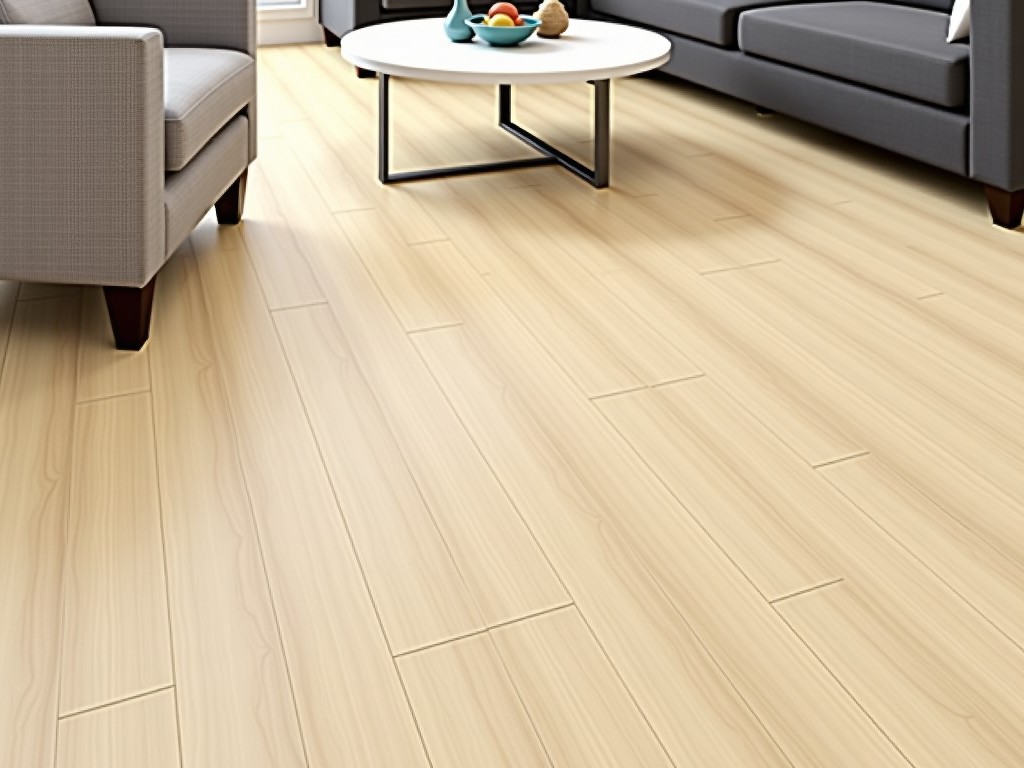
Vinyl flooring rolls are manufactured from polyvinyl chloride (PVC) resin combined with plasticizers, stabilizers, and pigments. The mixture is calendared into sheets, embossed with surface patterns, and then cut to roll lengths ranging from 10 to 30 meters.
Standard roll widths vary between 1.2 meters and 2 meters, allowing coverage of large floor areas with minimal seams. Thickness options typically range from 1.5 mm to 3.0 mm, influencing both flexibility and wear resistance.
Because the material is non‑porous, it resists water ingress and is suitable for environments where moisture control is critical. The wear layer, usually a clear PVC coating, provides abrasion resistance measured in accordance with EN 649 or ASTM F1303 standards. Edge sealing can be applied during production to prevent delamination at the roll ends. These characteristics make the product appropriate for both temporary installations and long‑term flooring systems. Overall, the formulation balances cost efficiency with functional durability.
The following table lists typical mechanical and chemical properties for standard vinyl flooring rolls. Values are based on production averages and can be adjusted according to specific project requirements.
| Property | Typical Value | Unit | Notes |
|---|---|---|---|
| Thickness | 1.5 – 3.0 | mm | Customizable per project |
| Wear layer thickness | 0.2 – 0.5 | mm | Abrasion resistance factor |
| Total weight | 1.8 – 2.5 | kg/m² | Includes backing |
| Dimensional stability | <0.1 | % | After 24h at 70°C |
| Fire rating | Bfl‑s1 | — | EN 13501‑1 |
| VOC emission | <0.5 | mg/m²·h | ISO 16000‑9 |
Higher wear‑layer thickness directly correlates with increased abrasion resistance, extending service life in high‑traffic zones. Dimensional stability below 0.1% ensures minimal expansion or contraction under temperature fluctuations.
The core layer consists of recycled PVC regrind blended with virgin resin to achieve consistent melt flow during calendaring. Plasticizers such as DINP or DINCH are selected to maintain flexibility at low temperatures without migrating over time.
Stabilizers based on calcium‑zinc systems replace lead‑based compounds, meeting RoHS and REACH restrictions. Pigments are dispersed to provide uniform color throughout the thickness, reducing visible wear patterns.
Surface embossing depth typically ranges from 0.1 mm to 0.3 mm, influencing slip resistance ratings (R9 to R13). A UV‑stabilized top coat can be added for installations exposed to direct sunlight, limiting yellowing.
Vinyl flooring rolls are selected based on the mechanical demands and environmental conditions of the target facility. Typical installations include areas where hygiene, chemical resistance, and ease of maintenance are priorities.
Incoming raw material is tested for melt flow index, volatile content, and plasticizer concentration before entering the extruder. Online thickness gauges monitor caliper deviation within ±0.05 mm across the full roll width.
Abrasion resistance is verified using Taber abraser tests, with results logged per batch. Chemical resistance is assessed by immersing samples in common cleaning agents for 24 hours and measuring any mass change.
Final inspection includes visual inspection for surface defects, adhesion testing of the wear layer, and dimensional checks on roll length and width. Only rolls meeting all criteria are released for packaging.
Customers can specify roll length, width, and thickness to match project logistics and substrate preparation. Surface patterns, including wood grain, stone tile, or abstract designs, are created via engraved embossing rollers.
Color matching is available using Pantone or RAL references, ensuring brand consistency across large installations. Optional additives such as antimicrobial agents or static‑dissipative compounds can be incorporated upon request.
Yes, roll length, width, and thickness can be adjusted to suit specific site requirements. Minimum order quantities apply for non‑standard sizes.
Project dimensions, desired thickness, wear‑layer preference, surface pattern, and any additive needs (e.g., antimicrobial) help generate an accurate quote.
Each batch undergoes raw material verification, in‑line thickness monitoring, abrasion and chemical resistance testing, and final visual and dimensional checks before packaging.
Rolls are wound on rigid cores, wrapped in protective polyethylene film, and placed on pallets with corner guards. Custom packaging (e.g., cardboard sleeves) can be arranged.
For technical datasheets, sample requests, or wholesale pricing inquiries, please contact our sales team. We will respond with a detailed quotation and lead‑time estimate within one business day.
National patents
Vinyl flooring line
K+ SQ.M capacity
Founded