46
National patents
Modern accent wall coverings are decorative panels applied to interior surfaces to create visual focal points while providing surface protection. They combine aesthetic patterns with functional
Order this product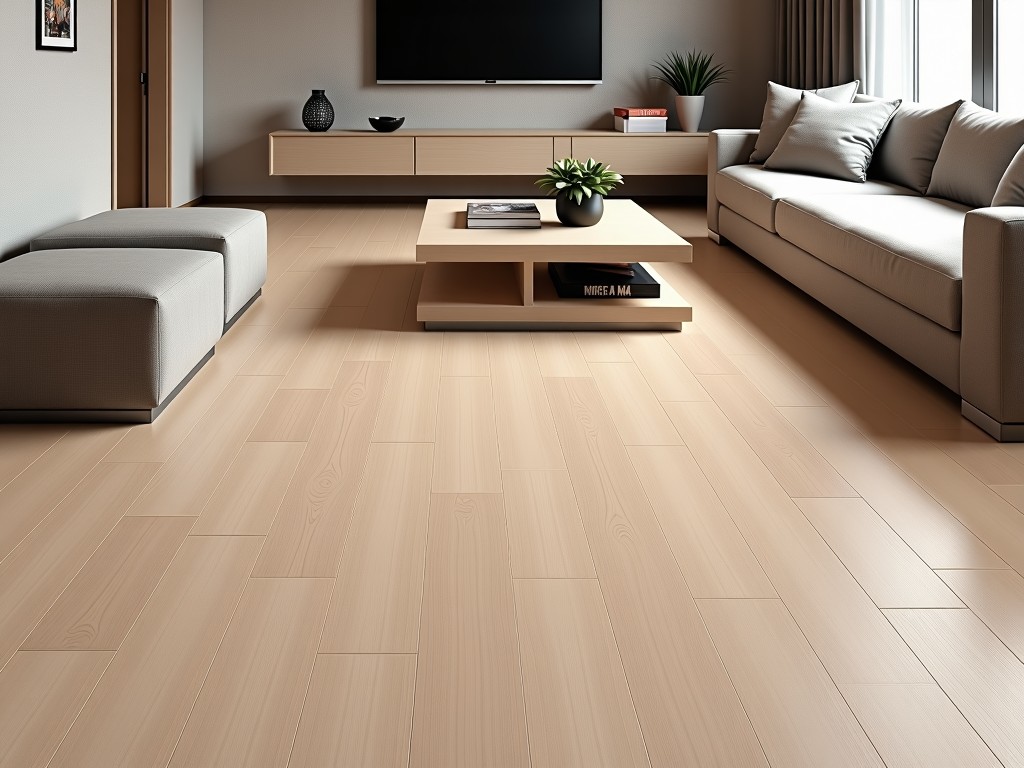
Modern accent wall coverings are decorative panels applied to interior surfaces to create visual focal points while providing surface protection.
They combine aesthetic patterns with functional layers that resist impact, moisture, and staining.
Typical installations use adhesives or mechanical fasteners over substrates such as gypsum board, concrete, or existing finished walls.
Proper substrate preparation ensures long‑term adhesion and prevents differential movement.
Core layers are commonly formed from wood‑plastic composite (WPC), polyvinyl chloride (PVC) foam, or aluminum‑based composite sheets, each selected for specific mechanical and environmental performance.
Density of WPC cores typically ranges from 600 to 900 kg/m³, providing adequate rigidity while keeping panel weight manageable.
PVC foam cores exhibit lower density, approximately 350–500 kg/m³, and offer higher flexibility for curved applications.
Surface finishes include UV‑coated prints, melamine overlays, or natural wood veneers, which determine abrasion resistance and color stability.
These finishes are applied under controlled temperature to ensure uniform adhesion and long‑term appearance.
Standard panel widths are 300 mm or 600 mm, allowing seamless joints with minimal visible seams.
Lengths are typically produced in 2400 mm or 3000 mm rolls, which can be cut to site‑specific lengths on‑site.
Thickness varies between 3 mm and 12 mm depending on core material and desired rigidity; thicker panels provide higher impact resistance.
Fire performance is evaluated according to GB 8624‑2012; many formulations achieve B1 (difficult‑to‑burn) classification, limiting flame spread. Water absorption rates for PVC‑foam cores are typically below 0.5 % after 24 h immersion, making them suitable for humid environments such as bathrooms. VOC emissions are measured per GB/T 18883‑2022; low‑emission grades stay under 0.05 mg/m³, meeting indoor air quality standards for offices and schools. Impact resistance, tested via falling‑ball method, shows no visible cracking for panels ≥6 mm thick when struck with a 500 g steel ball from 1 m height. Color stability under UV exposure is assessed using ISO 4892‑2, with ΔE values typically below 2 after 500 hours, ensuring minimal fading in sun‑lit spaces.
Adhesive‑based installation uses solvent‑free acrylic or polyurethane adhesives applied in continuous beads; pressure rollers ensure full contact and eliminate air pockets.
Mechanical fastening employs concealed clips or screws with decorative caps, allowing panels to be removed for maintenance without damaging the substrate.
Expansion gaps of 2 mm per linear meter are recommended to accommodate thermal movement, particularly in environments with temperature swings exceeding 15 °C.
In hospitality interiors, accent panels create branded feature walls that withstand frequent cleaning cycles due to their low‑water‑absorption surfaces.
Healthcare facilities benefit from the seamless, non‑porous finish, which reduces microbial harboring and complies with strict hygiene protocols.
Retail environments use the panels to highlight product displays; the low mass permits fast re‑configuration during seasonal renovations.
Educational institutions select low‑VOC grades to maintain indoor air quality while providing impact‑resistant surfaces that endure student traffic.
Incoming raw materials are inspected for density, moisture content, and chemical composition using standardized test methods.
During extrusion, thickness and width are monitored via laser gauges with feedback loops to maintain tolerances within ±0.2 mm.
Finished panels undergo batch sampling for fire rating, VOC emission, and adhesion strength; results are recorded in traceable QC reports.
Final visual inspection checks for color uniformity, surface defects, and edge consistency before packaging.
| Packaging Type | Description | Typical Use |
|---|---|---|
| Flat stack with corrugated board | Panels stacked horizontally, protected by edge boards and shrink wrap | Standard domestic shipments |
| Vertical crates with foam inserts | Panels stood upright, separated by foam to prevent surface abrasion | Long‑distance export or high‑value orders |
| Custom palletized boxes | Pallets sized to container dimensions, with corner protectors and moisture barrier | Bulk orders requiring container optimization |
All packages include desiccant packs to control humidity and are marked with handling instructions.
Labeling includes part number, batch code, and destination country for traceability throughout the supply chain.
Yes, width, length, and thickness can be adjusted within the manufacturer’s tooling limits; custom sizes require a new die or cutting program.
Project specifications such as panel dimensions, core material preference, surface finish, fire rating class, and delivery destination are needed to generate an accurate quote.
Commonly offered cores include wood‑plastic composite, PVC foam, aluminum composite, and mineral‑filled cores; surface options range from PVC film to natural veneer.
Quality control follows the procedures described in the QC section, with third‑party test reports available upon request.
Flat stack, vertical crate, and custom palletized options are standard; special packaging can be arranged for fragile finishes.
Engineering team provides material data sheets, installation guidelines, and lead‑time estimates based on project specifications.
To start a discussion, please use the contact form or email address below.
Request Technical InformationNational patents
Vinyl flooring line
K+ SQ.M capacity
Founded