Commercial Kitchen Flooring Options Performance Analysis
Selecting the right surface for a high-traffic food preparation area is a decision that balances hygiene, safety, and long-term operational costs. In a professional kitchen, the floor is subjected to extreme conditions: constant moisture, caustic cleaning agents, dropped heavy equipment, and the relentless friction of staff movement.
The failure of a floor in this environment does not just lead to aesthetic degradation; it creates critical risks, including slip-and-fall accidents and bacterial harbors in porous surfaces. As health regulations tighten globally, the shift toward non-porous, high-density materials has become the industry standard for mitigating these risks.
Understanding the various commercial kitchen flooring options allows facility managers to align their material choice with the specific intensity of their operations, whether they are running a high-volume industrial canteen or a boutique restaurant.
The Evolution of Food Service Flooring
Historically, commercial kitchens relied heavily on ceramic tiles or poured concrete. While durable, these materials suffered from grout line degradation, which became a breeding ground for mold and bacteria. The industry has since migrated toward seamless, resilient surfaces that eliminate joints and reduce the risk of seepage into the subfloor.
Modern advancements in polymer science have introduced materials like high-grade vinyl and SPC, which provide a waterproof barrier while offering superior slip resistance. This transition reflects a broader industry shift toward "total hygiene" environments where every surface is designed for rapid decontamination.
Material Mechanics and Performance Metrics
When evaluating flooring materials, the primary technical focus is on the "wear layer" and the overall density of the product. In a kitchen, the floor must resist chemical erosion from grease-cutters and disinfectants. High-density vinyl, specifically those with a homogeneous structure, ensures that the properties of the surface are consistent throughout the entire thickness of the material.
Another critical metric is the Coefficient of Friction (CoF). A floor that is too smooth becomes a hazard when wet, while one that is too textured can trap food particles and make cleaning difficult. Professional-grade options balance these needs through engineered surface patterns that provide grip without compromising the ease of mopping.
Furthermore, shock absorption is often overlooked but essential for staff wellbeing. Workers spending 8 to 12 hours on their feet experience significant joint strain on concrete; resilient flooring provides the necessary cushioning to reduce fatigue and improve workplace safety.
The Homogeneous Advantage in Hygiene
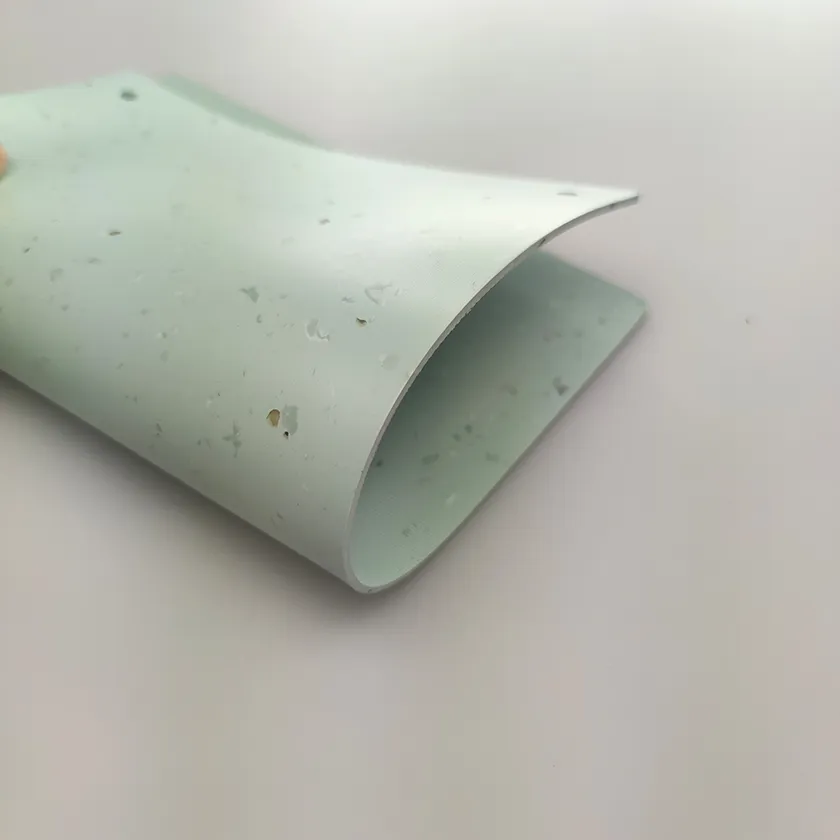
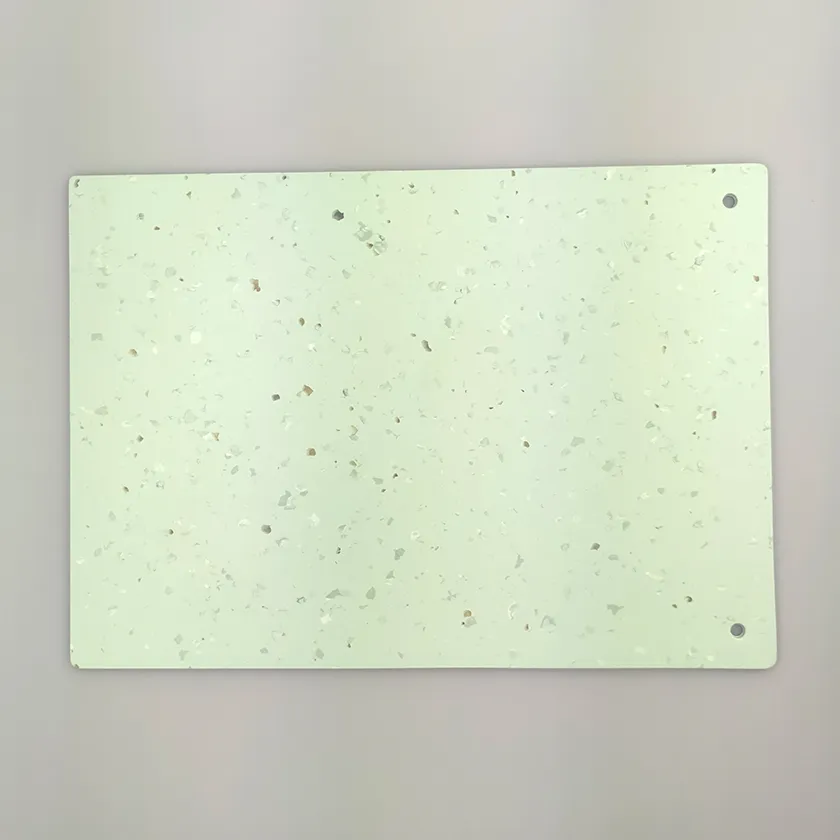
Homogeneous vinyl represents a significant leap in sanitary design because it consists of a single, uniform layer. Unlike heterogeneous flooring, which is composed of multiple layers that can delaminate over time, homogeneous materials remain consistent even if the surface is scratched or worn down.
Homogeneous structure means that the material looks and performs the same from the top to the bottom; if a deep gouge occurs, the exposed material maintains the same antibacterial and waterproof properties as the surface.
For high-risk areas, specialized versions like the Puenie Antibacterial Vinyl are employed. These are specifically engineered to inhibit the growth of microorganisms, providing a proactive layer of defense against cross-contamination in food preparation zones.
Comparative Analysis of Durability Indices
Different flooring materials respond differently to the stressors of a commercial kitchen. While SPC is exceptionally rigid and impact-resistant, homogeneous vinyl offers a superior balance of hygiene and wear resistance. The choice often depends on whether the primary threat is heavy equipment impact or chemical/biological contamination.
The following relative index illustrates how common commercial kitchen flooring options perform across five key operational requirements: wear resistance, ease of cleaning, slip prevention, chemical stability, and antimicrobial efficacy.
Figure 2. Relative Performance Index of Flooring Materials
Operational Scenarios and Suitability
In a typical industrial setting, such as a hospital kitchen or a large hotel, the demand for "heavy-duty" performance is paramount. In these zones, Puenie Heavy Duty Vinyl is often the preferred choice due to its high-density anti-penetration properties, which ensure that oils and acids do not seep into the core material.
Conversely, for areas where electronic equipment or high-precision scales are used, conductive vinyl may be required to prevent static build-up. Matching the specific vinyl range—whether antibacterial, conductive, or heavy-duty—to the operational zone is the only way to ensure long-term viability and compliance with safety codes.
Sustainability and Circular Economy Trends
The flooring industry is moving rapidly toward a circular economy. Traditional adhesive-based installations often leave toxic residues and make the flooring impossible to recycle once it reaches the end of its life. This has led to the development of adhesive-free installation methods that simplify both the initial rollout and the eventual decommissioning.
Manufacturers like Enlio are prioritizing the use of recyclable materials and reducing product emissions, aiming for zero-formaldehyde standards. By focusing on sustainable dyes and lacquers, the environmental footprint of a commercial kitchen renovation can be significantly lowered without sacrificing performance.
This shift is not merely about corporate responsibility; it is a practical response to evolving building certifications (such as LEED or BREEAM) that now reward the use of sustainable, low-emission materials in commercial interiors.
Selection Framework for Facility Managers
Choosing between different commercial kitchen flooring options requires a trade-off analysis. One must weigh the initial installation cost against the projected maintenance overhead and the anticipated lifespan of the material under specific stress levels.
A common mistake is selecting a material based solely on price, ignoring the "cost per year of service." A cheaper heterogeneous floor may fail in three years due to delamination, whereas a homogeneous vinyl system can last a decade with proper maintenance, resulting in a lower total cost of ownership.
The following framework provides a comparative overview of common materials based on typical kitchen requirements, helping managers identify the most suitable solution for their specific environment.
| Material Type | Primary Strength | Maintenance Need | Relative Lifespan |
|---|---|---|---|
| Homogeneous Vinyl | Max Hygiene/Durability | Low | Very High |
| Heterogeneous Vinyl | Design Variety | Moderate | Medium |
| SPC Flooring | Impact Resistance | Low | High |
| Ceramic Tile | Heat Resistance | High (Grout) | High |
| Poured Epoxy | Seamlessness | Moderate | Medium-High |
| Polished Concrete | Raw Strength | Low | Very High |
Questions & Answers
Homogeneous vinyl consists of a single, uniform layer of material throughout its entire thickness, meaning the color and properties are consistent from top to bottom. Heterogeneous vinyl is constructed in multiple layers. In a commercial kitchen, homogeneous is generally preferred because it does not delaminate and maintains its hygienic properties even after significant surface wear.
Antibacterial flooring, such as the Puenie range, incorporates antimicrobial agents into the vinyl composition. These agents inhibit the growth of bacteria, fungi, and mold on the surface. While it does not replace the need for regular cleaning, it prevents the floor from becoming a secondary source of contamination between cleaning cycles.
The best option is a resilient floor with a high slip-resistance rating (R-rating). Non-slip homogeneous vinyl is specifically engineered with a surface texture that maintains grip even when covered in water or oil. It is critical to ensure the material is certified for "wet-pendulum" slip resistance to meet safety regulations.
It depends on the condition of the subfloor. While some LVT or SPC options can be installed over stable surfaces, commercial kitchens usually require a full removal of old flooring to ensure a seamless, waterproof bond. For maximum hygiene, we recommend a clean subfloor installation with heat-welded seams to prevent water ingress.
Yes, modern adhesive-free systems are becoming more viable as they utilize advanced locking mechanisms or sustainable friction-fit designs. These systems are particularly beneficial for the circular economy, as they allow for easier replacement of damaged sections and simpler recycling at the end of the product's life cycle.
Depending on the traffic volume and maintenance, high-quality homogeneous vinyl can last 10 to 15 years. Replacement is typically indicated when the wear layer is depleted, or if structural damage (like deep tears) occurs that could allow moisture to penetrate the subfloor, compromising hygiene.
Final Thoughts
The selection of commercial kitchen flooring options is a strategic decision that impacts everything from staff safety to the facility's health audit results. By moving away from porous materials and embracing high-density, homogeneous solutions, operators can create a workspace that is not only durable but actively contributes to a sanitary environment.
As the industry trends toward sustainable, adhesive-free, and antimicrobial materials, the focus has shifted from mere durability to a holistic approach involving health, environmental impact, and operational efficiency. Investing in a high-performance surface today ensures a safer, more compliant kitchen for years to come.