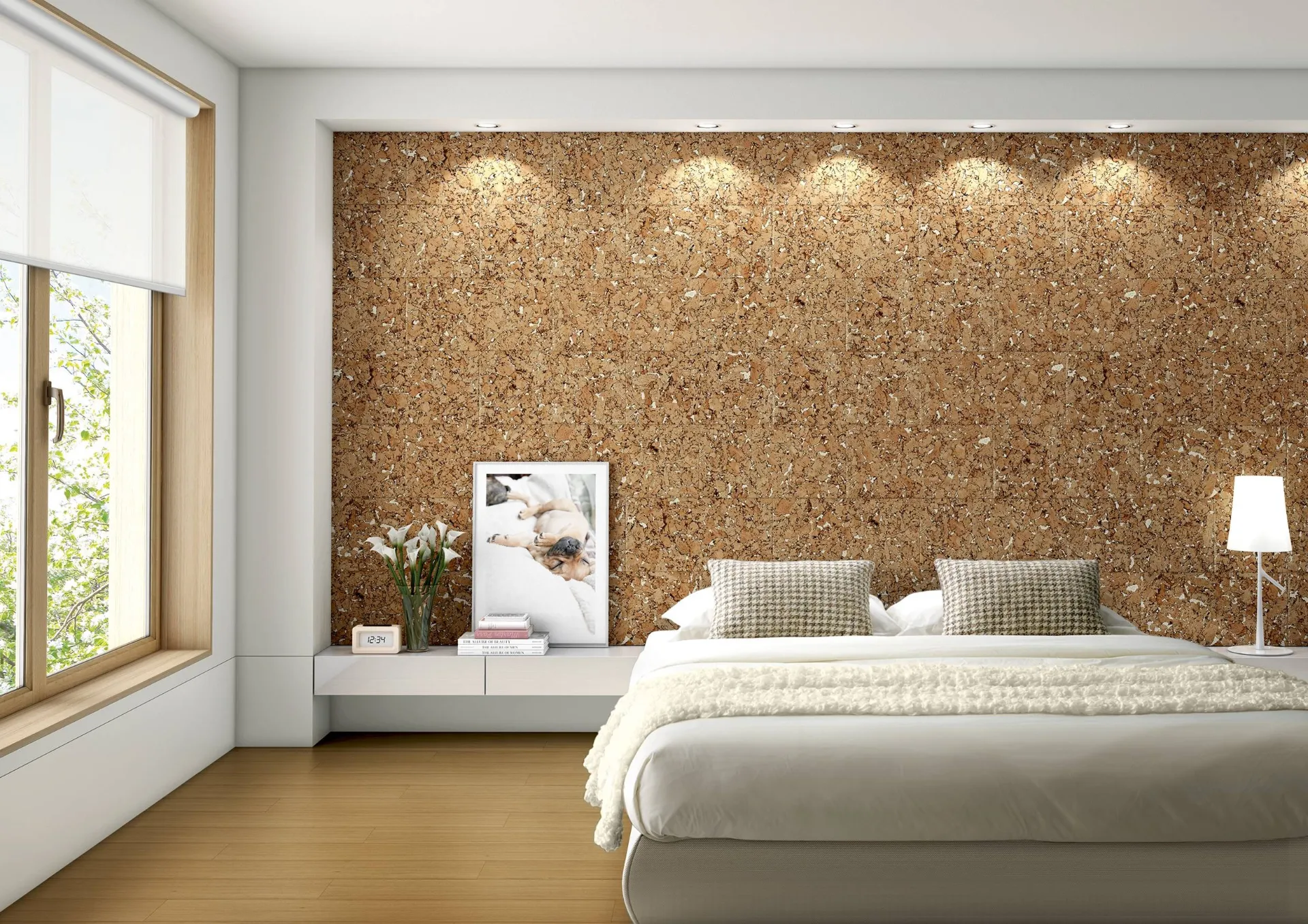
LVT Flooring Manufacturers Technical Performance Analysis
Selecting the right partner among various lvt flooring manufacturers is no longer just about comparing price per square foot; it is about balancing material science with long-term operational viability. As interior design shifts toward high-performance resilience, the technical composition of Luxury Vinyl Tiles (LVT) has become the primary differentiator for commercial and residential longevity.
The market has moved beyond simple aesthetic imitation of wood or stone. Today, the focus is on the chemical stability of the PVC core, the precision of the wear layer, and the environmental impact of the production process. For procurement managers and homeowners alike, understanding the underlying engineering of these products is essential to avoid premature wear or hazardous emissions.
This analysis examines the critical benchmarks for evaluating manufacturing quality, the shift toward sustainable bonding technologies, and how to align specific product specifications with high-traffic environmental demands.
The Shift in Vinyl Flooring Engineering
Historically, vinyl flooring was viewed as a budget-friendly but short-lived alternative. However, the introduction of advanced production lines, such as those implemented by Enlio since 2007, has transitioned LVT into a precision-engineered product. The integration of multi-layer structures allows for a hard-wearing surface that maintains the flexibility of PVC.
This engineering shift allows for a broader range of products, from Homogeneous Vinyl for clinical settings to SPC (Stone Plastic Composite) for extreme moisture resistance. The focus has moved toward "circular readiness," where recyclable materials are integrated into the core without compromising the structural integrity of the floor.
Technical Benchmarks for Quality Control
The quality of LVT is primarily determined by the wear layer thickness and the stability of the PVC compound. A higher wear layer prevents scratches in high-traffic commercial zones, while the core's density prevents indentation from heavy furniture. Manufacturers must balance these factors to ensure the floor does not become too brittle or overly soft.
Beyond the surface, the adhesion process and dimensional stability are critical. Low-quality LVT often suffers from "gapping" or "cupping" when exposed to temperature fluctuations. Professional-grade manufacturing utilizes controlled cooling and pressing processes to ensure that each plank remains stable across various climatic conditions.
Certifications such as ISO9001, CE, and FloorScore serve as essential verification tools. These ensure that the products meet international standards for safety, durability, and emission levels, providing a baseline of trust for large-scale procurement in hospitals, universities, and corporate offices.
Sustainability and Non-Toxic Materiality
Modern health standards require a strict reduction in Volatile Organic Compounds (VOCs) and formaldehyde. The transition toward non-toxic PVC wall and floor coverings is particularly vital for environments housing children or the elderly, where air quality directly impacts respiratory health.
True sustainability in flooring is achieved through the elimination of harmful phthalates and the adoption of adhesive-free installation methods, reducing the chemical load on the indoor environment and facilitating easier recycling at the end of the product's lifecycle.
By prioritizing recyclable materials and zero-formaldehyde emissions, manufacturers are aligning with the circular economy. This approach not only protects the end-user but also reduces the environmental footprint of the manufacturing process itself, from dye selection to the elimination of heavy metals in the PVC lacquer.
Performance Indices Across Environments
Different spaces demand different performance priorities. A hospital corridor requires antibacterial properties and seamless welding to prevent contaminant buildup, whereas a residential living room prioritizes acoustic comfort and aesthetic warmth. The versatility of PVC materials allows for the adjustment of these properties.
For instance, the sound absorption capabilities of LVT make it an ideal choice for multi-story urban buildings where noise pollution is a constant issue. Similarly, the fire-resistant nature of high-grade PVC slows the spread of flames, providing a critical safety margin in commercial settings.
Figure 2. Relative Performance Index by Flooring Type
Practical Application Scenarios
In a typical commercial setting, such as a retail store with high foot traffic, the primary concern is wear resistance and ease of maintenance. LVT with a reinforced wear layer allows for rapid cleaning without degrading the surface pattern. For moisture-prone areas like kitchens or bathrooms, the inherent waterproof nature of PVC prevents structural water damage and reduces the risk of mold growth.
In residential DIY projects, the lightweight and slim design of modern PVC panels makes them highly efficient. Homeowners can achieve professional results with reduced labor costs, utilizing products that are non-toxic and safe for households with children, while enjoying the acoustic benefits of a quieter living space.
Future Trajectories in Flooring Tech
The industry is moving toward a complete integration of "smart" materials. We are seeing a rise in flooring that can better regulate temperature or incorporate conductive layers for heating systems without compromising the thickness of the tile.
Another significant trend is the move away from chemical adhesives. Click-lock systems and adhesive-free ranges are becoming the standard, not only for installation speed but to ensure that the flooring can be removed and recycled without leaving toxic residues on the subfloor.
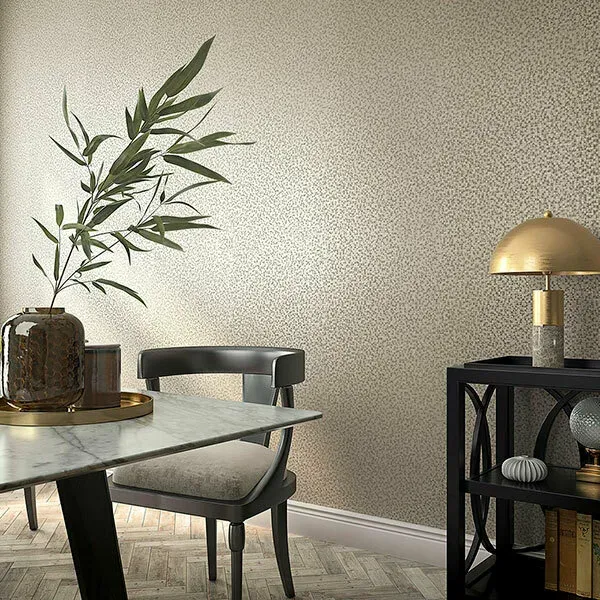
Furthermore, the convergence of wall and floor coverings is creating a more unified interior design language. Using the same PVC material for both surfaces ensures visual continuity and consistent protective properties, such as fire resistance and waterproof capabilities, across the entire room.
Manufacturer Evaluation Framework
When vetting lvt flooring manufacturers, procurement teams should look beyond the catalog. A critical evaluation requires analyzing the manufacturer's ability to provide customized services, such as specific surface patterns, custom colors, and comprehensive visualization services that track the production process.
The trade-off between cost and quality usually manifests in the purity of the raw materials. Low-cost options often use recycled plastics of inconsistent quality, leading to warping. High-tier manufacturers maintain strict controls over the raw material standard to ensure consistent performance across millions of square feet.
Ultimately, the decision should be based on a weighted matrix of certifications, material safety, and the manufacturer's history of supplying large-scale institutions like universities or hospitals.
| Requirement | SPC Flooring | Homogeneous Vinyl | LVT Laminate | PVC Wall Cover |
|---|---|---|---|---|
| Water Resistance | Extreme | High | Moderate | High |
| Wear Resistance | High | Extreme | High | Moderate |
| Installation Speed | Fast (Click) | Moderate | Fast | Very Fast |
| Acoustic Damping | Moderate | Moderate | High | High |
| Maintenance Cost | Low | Very Low | Low | Low |
| Eco-Certification | High | High | Moderate | High |
Questions & Answers
SPC (Stone Plastic Composite) uses a limestone-based core, making it more rigid, dimensionally stable, and highly resistant to temperature changes. LVT (Luxury Vinyl Tile) typically has a more flexible PVC core, which often provides better acoustic properties and a softer feel underfoot, though it may be more prone to expansion and contraction if not installed correctly.
Look for third-party certifications such as FloorScore, RoHS, and ISO14001. These certifications indicate that the product has been tested for VOC emissions and that the manufacturing process adheres to environmental safety standards. A transparent manufacturer will provide these certificates upon request to prove the absence of harmful phthalates and formaldehyde.
Yes, one of the standout features of PVC-based flooring is its inherent waterproof nature. Unlike hardwood or traditional laminate, LVT does not swell or rot when exposed to water. However, for maximum protection in bathrooms, ensure that the seams are properly sealed or that a click-lock system is used to prevent water from seeping into the subfloor.
The wear layer is the clear top coat that protects the design from abrasion. For residential use, a layer of 0.2mm to 0.3mm is typically sufficient. For commercial environments with heavy foot traffic, such as retail stores or offices, a wear layer of 0.5mm or higher is recommended to prevent premature scratches and maintain the visual integrity of the floor.
Yes, PVC materials are increasingly used for wall finishes because they combine aesthetic appeal with functional protection. PVC wall coverings are lightweight, fire-resistant, and waterproof, making them an excellent choice for kitchens, bathrooms, and clinical environments where hygiene and durability are prioritized over traditional paint or wallpaper.
Vinyl flooring is known for its low maintenance. Regular sweeping and damp mopping with pH-neutral cleaners are generally sufficient. Unlike natural stone or wood, it does not require periodic sanding or waxing. The key to longevity is avoiding abrasive scrubbing tools that could damage the wear layer over time.
Final Thoughts
The evolution of LVT flooring reflects a broader industry trend toward the fusion of high-end aesthetics and rigorous technical performance. By prioritizing material purity, non-toxic compositions, and sustainable production methods, modern flooring solutions provide a safer and more durable environment for both residential and commercial users.
When evaluating potential partners, the ability to balance customization with certified quality remains the most reliable indicator of value. As the industry moves toward a circular economy, the transition to adhesive-free and recyclable vinyl products will define the next generation of interior architecture.